
What to See in Rome: 15 Essentials and 2 Tours
Colosseum, Trevi Fountain, the Vatican and the corners you can't miss on your first time in Rome: the definitive guide to the Eternal City, with ticket tips and tours.
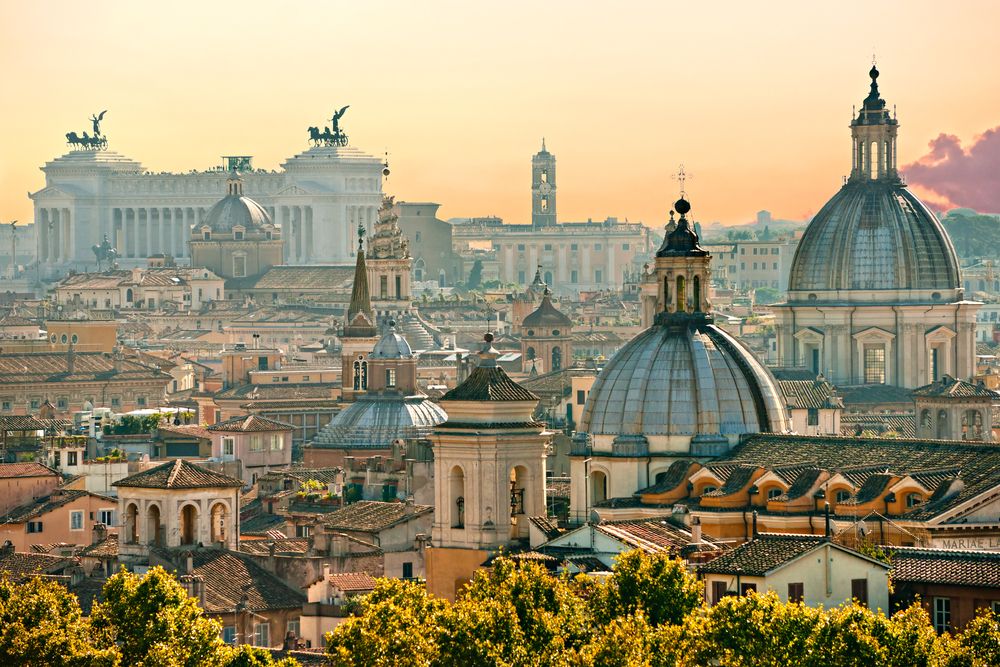
Rome is one of those cities you discover on foot. You can arrive with the most detailed itinerary in the world and, the moment you round a corner, a square that wasn’t on your map appears, or a church that leaves you open-mouthed. That’s why this guide doesn’t pretend to show you everything (that’s impossible, and besides, it would spoil the fun): I’ll leave you the 15 must-sees of the Eternal City, ordered the way we’d do it, with the tricks to skip the hours of queueing and, as a bonus, the two tours that are truly worth it.
The trick to seeing Rome (without dying trying)
Before you set off on the adventure, five tips we learned the hard way, one kilometre at a time:
- Walk and you’ll see double. The historic centre is compact and most places are seen on foot. Public transport exists, but between the cobbles and the shortcuts, your legs win almost every time.
- Get up early if you can. The Trevi Fountain and the Spanish Steps before 9 in the morning have nothing to do with 11. Seriously, it’s a different place.
- Book the main tickets online. The Colosseum and the Vatican Museums sell out weeks ahead in high season. That’s not advice: it’s a commandment.
- Comfortable shoes, and I mean COMFORTABLE. Rome is cobblestones, slopes and more cobblestones. Your photo shoes can wait.
- Drink from the “nasoni”. Rome’s public fountains are drinkable and free. Refilling your bottle (and your travel companion’s backpack) costs nothing.
The 15 Rome must-sees (plus 2 tours as a bonus)
1. Colosseum, Arena, Roman Forum and Palatine Hill (with tour)
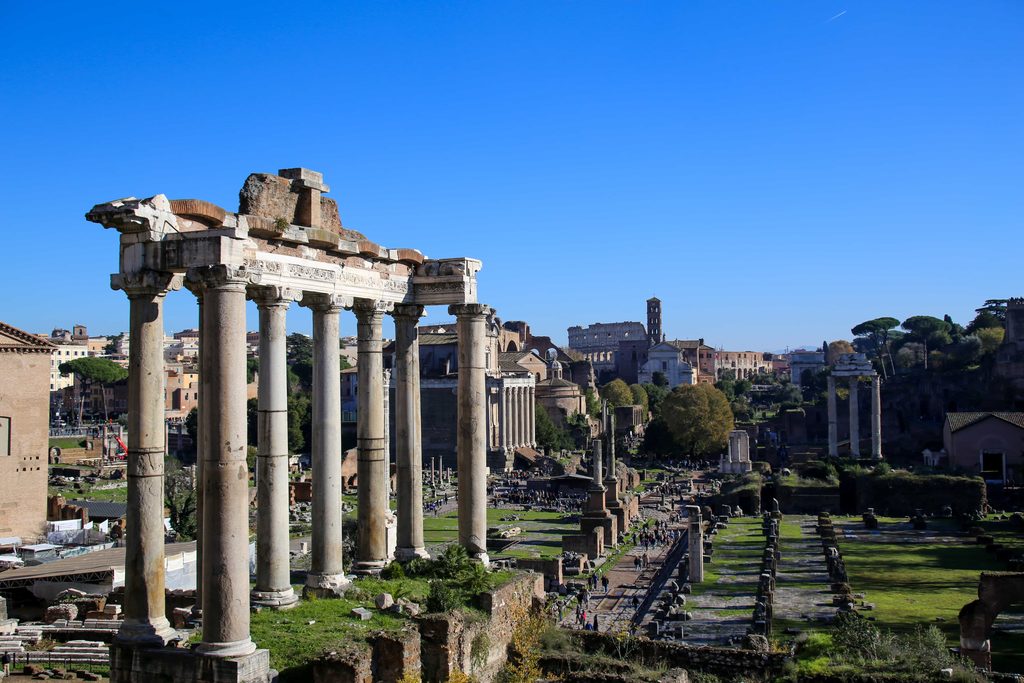
The most famous amphitheatre on the planet is as imposing as you imagine… and so are the queues. Take the tour with the Arena included: the Arena is the area where the gladiators walked out onto the sand, and it deserves to be stepped on. The combined ticket includes the Roman Forum, which is literally the heart of ancient Rome, and the Palatine Hill, the hill where the city was founded and from where you get the best view of the Forum itself.
2. Vatican Museums, Sistine Chapel and St. Peter’s Basilica (with tour)
Get ready mentally: it’s almost 7 km of corridors and masterpieces. The Sistine Chapel (Michelangelo’s ceiling, the Last Judgement frescoes) is the climax where you can’t talk or take photos, and you breathe in the most special silence you’ll ever experience in a museum. St. Peter’s Basilica, at the end, leaves you speechless. With a tour you live it all and skip the worst queues in Rome; on top of that, the tour takes you to the dome and the corners the casual visitor misses. For the Basilica, respect the dress code (shoulders and knees covered) and get there early if you want to climb the dome with plenty of light.
3. Trevi Fountain
The most famous fountain in the world is indestructible. Arrive early, throw your coin over your shoulder (a mandatory tradition if you want to come back to Rome) and take your selfie with Neptune’s trident behind you. At 8 in the morning you almost have it to yourself; at midday you’ll probably pass by and won’t even manage to see it between the crowd. The neighbourhood around it is perfect for losing yourself afterwards among gelato shops and alleys.
4. Pantheon
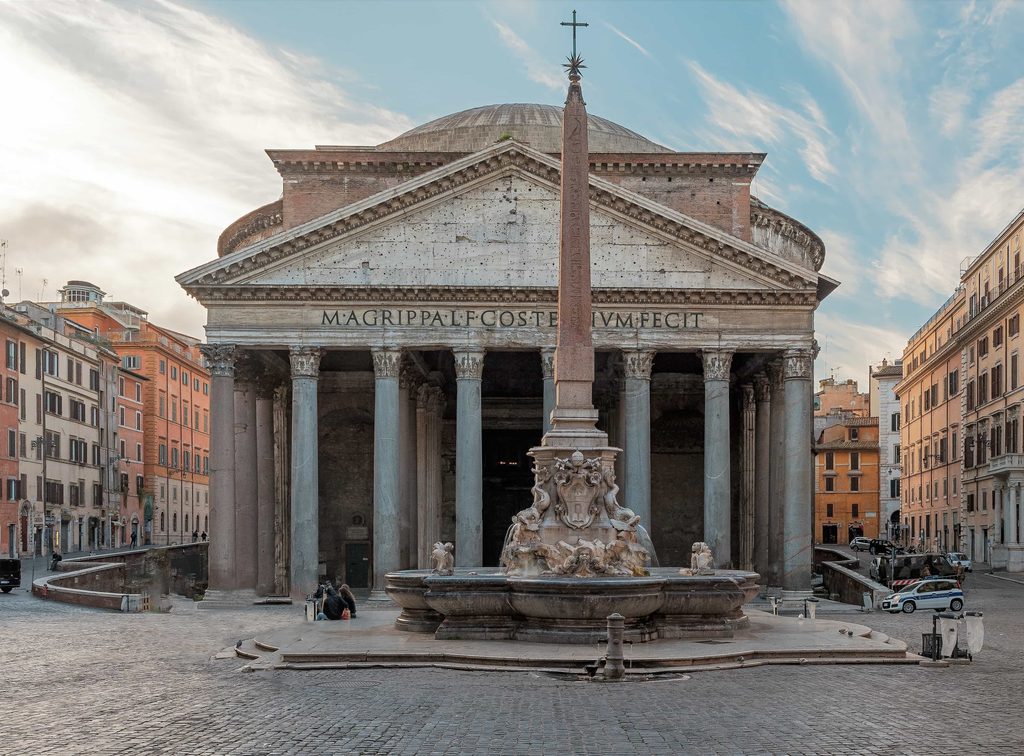
The best-preserved ancient building in Rome, with that dome that’s pure magic: hole in the centre included (yes, it rains inside on purpose, and it’s a show). Entry costs around €7, and the queue takes longer than the visit itself, but every single detail that makes it up is so imposing that it’s completely worth it.
5. Piazza Navona
The square of Bernini’s fountains, of the artists, of the cafés and of the gelato shop you stop to stare at. It’s pure urban theatre: at Christmas it fills with markets and the rest of the year with atmosphere at all hours. Sit for a while, even if it’s on the steps, and watch. It’s one of those moments you remember later.
6. Spanish Steps (Piazza di Spagna)
The Trinità dei Monti staircase, Bernini’s Barcaccia at its foot and the best place in Rome for seeing and being seen on sunny days. Admire the Barcaccia, climb the 135 steps (bet with your group: the first one to make it up buys the coffee) and discover that up top there’s another neighbourhood, calmer and with views. Early on it’s a delight.
7. Piazza del Popolo
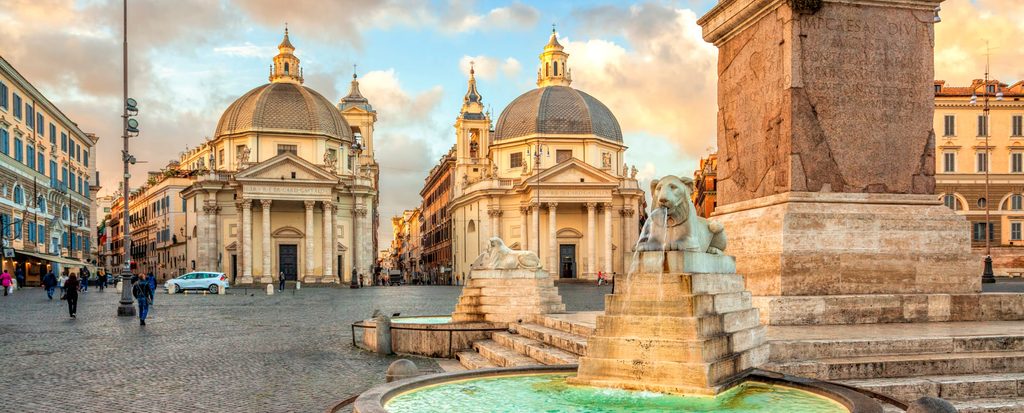
The great entrance square to the city, with its twin churches, the central obelisk and the Porta del Popolo. From here you reach the Pincio gardens, where sunsets are stunning and you see the city from above without leaving the neighbourhood. It’s the perfect example that squares in Rome aren’t visited: they’re lived in. As a curiosity, there’s a famous whispering-gallery effect where sound travels hugging the curved walls and a person can hear a whisper from the other end.
8. Castel Sant’Angelo
The castle-palace-fortress that connects to the Vatican through the popes’ passageway. From its terrace you see St. Peter’s and the Tiber in a spectacular way, and the interior visit is worth it to understand Rome’s most secret history. Right in front of it is the Ponte Sant’Angelo, with Bernini’s angels vying for the spotlight in the photo.
9. Circus Maximus
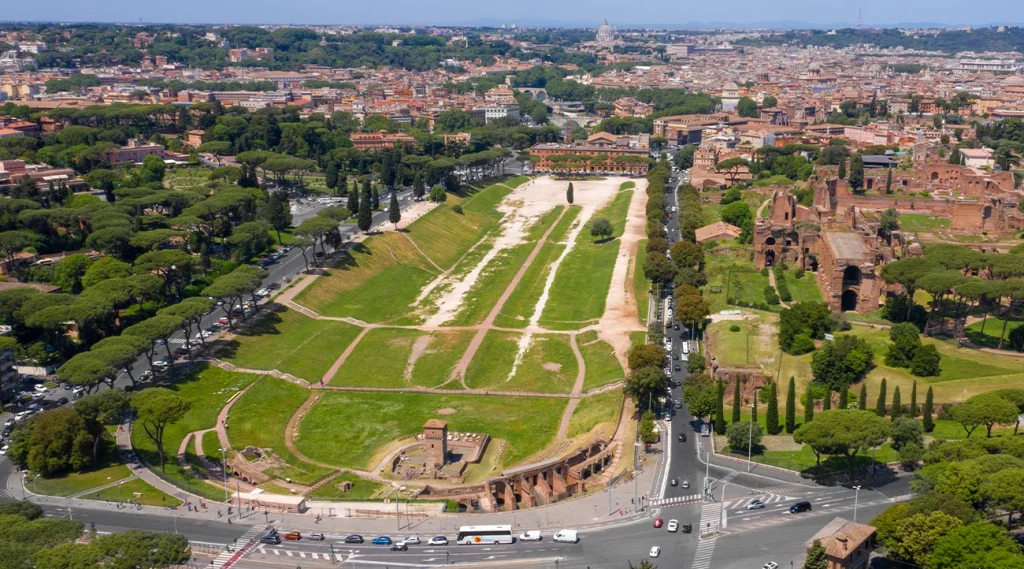
Today it’s an enormous meadow, perfect for a proper rest between museums, but 2,000 years ago the chariots raced across it in the wildest shows in Rome. It’s free, it’s immense and, to see it in all its length, climb the slopes of the Aventine: the panorama from above is one of the best in the city.
10. Theatre of Marcellus
The best-preserved Roman theatre, predating even the Colosseum, surviving as if nothing’s wrong in the middle of the centre. You can see it from the street and you’re not obliged to go in: its grandeur is perfectly appreciated from outside, looking at it from the Portico of Octavia. It’s one of those corners that throws first-time visitors to Rome off balance.
11. Victor Emmanuel II Monument (the Vittoriano)
The “wedding cake”, as everyone calls it, impossible to miss because it takes up half of Rome. An enormous white-marble building in Piazza Venezia that pays tribute to the first king of a united Italy. The lift to the rooftop, though a bit pricey (€18), is worth it for the panoramic views, from where you can make out the dome of St. Peter’s basilica or Castel Sant’Angelo.
12. Trastevere
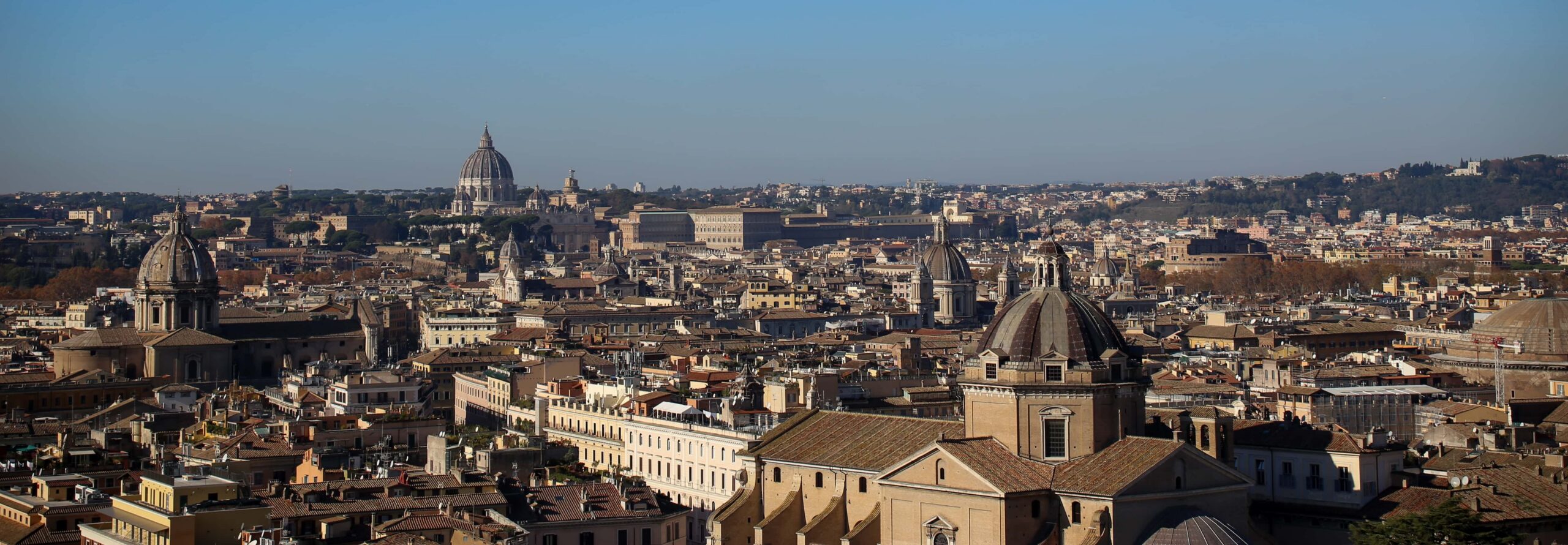
The most charming neighbourhood in Rome for aimless wandering: alleys with laundry hanging out, Santa Maria basilica, terraces where the sun goes down and an atmosphere that lasts until all hours. It’s the perfect plan at sunset: first a walk, then dinner (we have a where-to-eat-in-Trastevere guide) and then a good while at the bar.
13. Mouth of Truth
The famous mask that, according to legend, bites the hand of liars (translation for the timid: stick in ONE finger!). It’s in the church of Santa Maria in Cosmedin, next to the Temple of Hercules and the Forum Boarium. It’s a short, free visit and a lot of fun for the group’s reel.
14. Villa Borghese
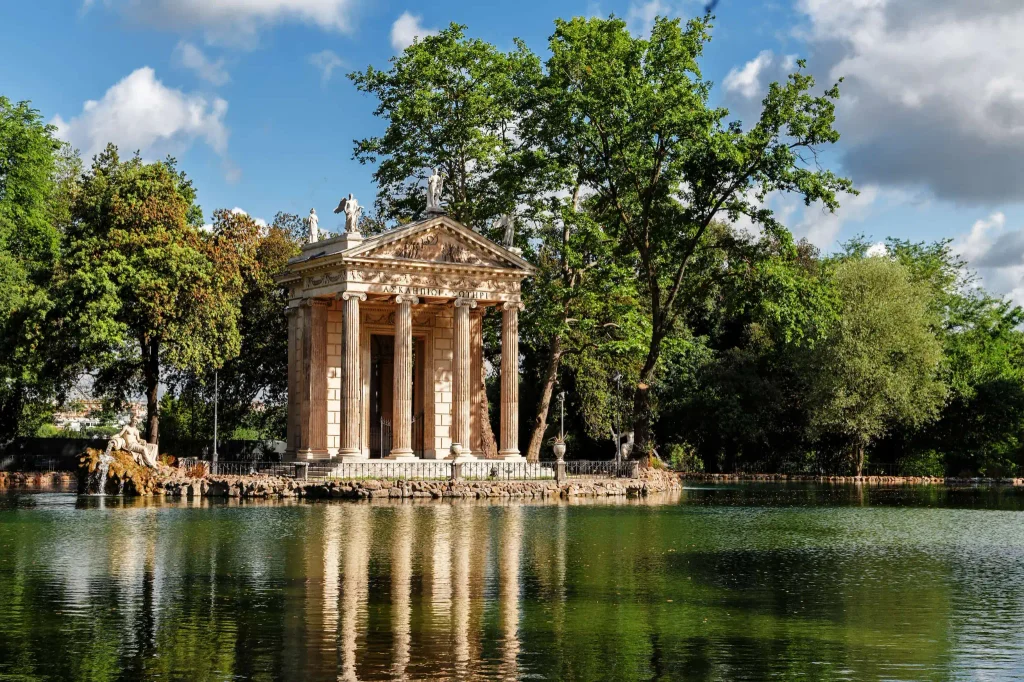
Rome’s great green lung, 5 minutes from the Spanish Steps. Hire a bike or simply wander through the gardens and their views. If you love art, the Borghese Gallery is a gem, but it demands booking in advance: without a ticket you don’t get in by any chance.
15. Church of St. Ignatius of Loyola
The hidden gem of the centre (though no longer so hidden). On the ceiling, the painter Andrea Pozzo drew a fake dome so realistic you can barely believe it’s flat, and the seventeenth-century Baroque fresco is pure spectacle. You walk in, lift your head and forget your plan for the day. Free and near the Pantheon: combine them.
As a bonus: free tour + mysteries and legends tour of Rome
Save the best moments for last. The free tour through the historic centre is the best zero-euro investment you’ll make: it gives you context, tells you the history that doesn’t appear on the signs and, on top of that, is the perfect excuse to break in the group’s notes app. And if you want to see Rome turned inside out, go for the mysteries and legends tour: ghosts, the occult, the darkest Rome told at night. We came out of it with a perspective of Rome that changes you from the inside: you know how society worked back then, but you’re not prepared to step on the same streets where murders and public humiliations once happened.
Frequently asked questions
Is the Colosseum tour worth paying for? If you can, yes. You skip the queues, you access the Arena and history told live gains a lot. If you’re on a tight budget, at least book the online ticket with a fixed time.
When is there less crowd at the Vatican? First thing in the morning at the Vatican Museums (on Wednesdays the Pope holds his audience, so the museum is usually less packed) and St. Peter’s before 9.
Can you see everything on foot? The centre, yes. The Vatican area and Villa Borghese are also reached on foot if you plan your day (5,000 extra steps, that is). For the Mouth of Truth and the Circus Maximus you’re already on the route anyway.
Is Rome expensive to eat in? You can eat brilliantly and cheaply if you know where. We tell you everything in our where-to-eat-in-Rome guide, with the places we’d go back to.
How to carry this guide in your pocket
Now here’s the practical bit: we planned Rome with Trively and we’ve never organised a trip the same way again (in a good way). Day-by-day itinerary on the shared map, the Colosseum and Vatican tickets saved in the trip folder (the QR viewer turns them into a digital pass) and the dinner bill settled in two taps. Fewer apps, fewer arguments, more Rome.
Rome isn’t planned to control it; it’s planned so you don’t waste the time you want to spend enjoying it. Sort out your tickets, invite your group, and off we go walking. Safe travels.
Prices and opening hours change often: check the official websites before you go.