
Paris Travel Guide: 3 Days and a Road Trip
Paris in 3 days, with everything worth seeing: the Eiffel Tower, the Louvre, Montmartre and the Palais Garnier, plus where to eat without breaking the bank.
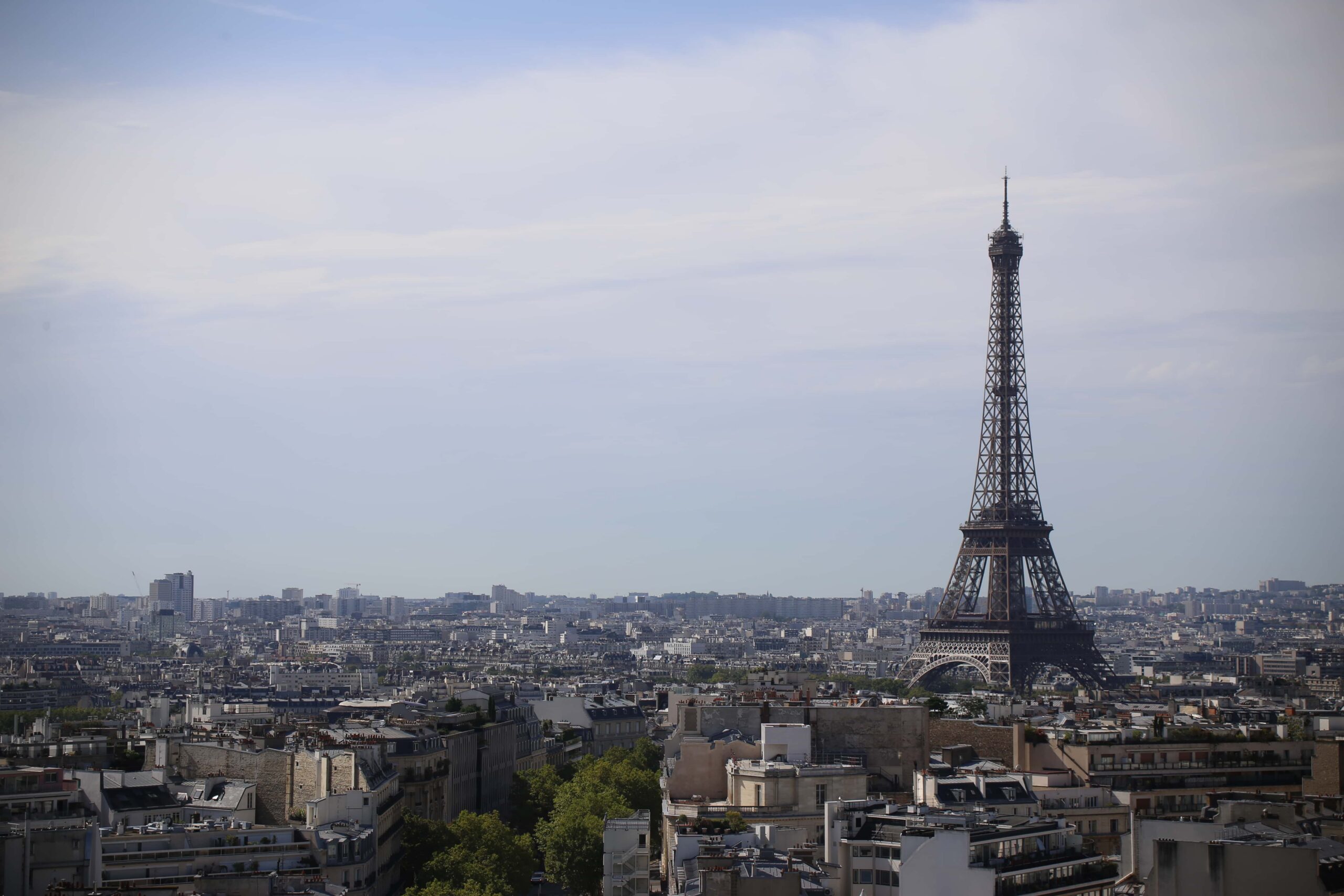
Paris is one of those cities everybody takes for granted. And maybe that’s why I didn’t go until I threw myself into it in the least expected way: 3 days in the city, sure, but after 2 days on the road from Spain and with 2 more for the way back, with nothing but the steering wheel and the map for company. Travelling alone has its downsides (nobody takes a turn at the wheel) and its upsides (nobody argues with your route or your music). And the conclusion is clear: I’d do it again. So here’s this Paris travel guide with the exact route I drove, the corners you can’t miss and the two places where I ate without breaking the bank. Let’s get started!
1. The road trip from Spain: 2 days there and 2 back
If you live in Spain and keep asking yourself that eternal question of how to get to Paris, I can tell you the road is simpler than it sounds. I gave myself 2 days for the outward leg, stopping one night along the way, and 2 more for the return with a similar stop. It’s not crazy if you get up early: it’s hours of motorway, road-trip breakfasts and one of those sunsets on the highway that you don’t even share with the camera. Going alone has this advantage: you stop when you want, you eat where you end up and nobody argues. And this drawback: there’s nobody to share the laughs or the wrong turns with in the passenger seat.
2. Day 1: Orsay, Pont Alexandre III and the story of France
The first stop is one of those that sets the bar for the whole trip. The Musée d’Orsay is a train station turned museum and, for me, the home of one of the best art collections to see in Paris: the Impressionists live here and, of course, Van Gogh. The galleries are huge, full of light and without the chaos of other museums in the city.
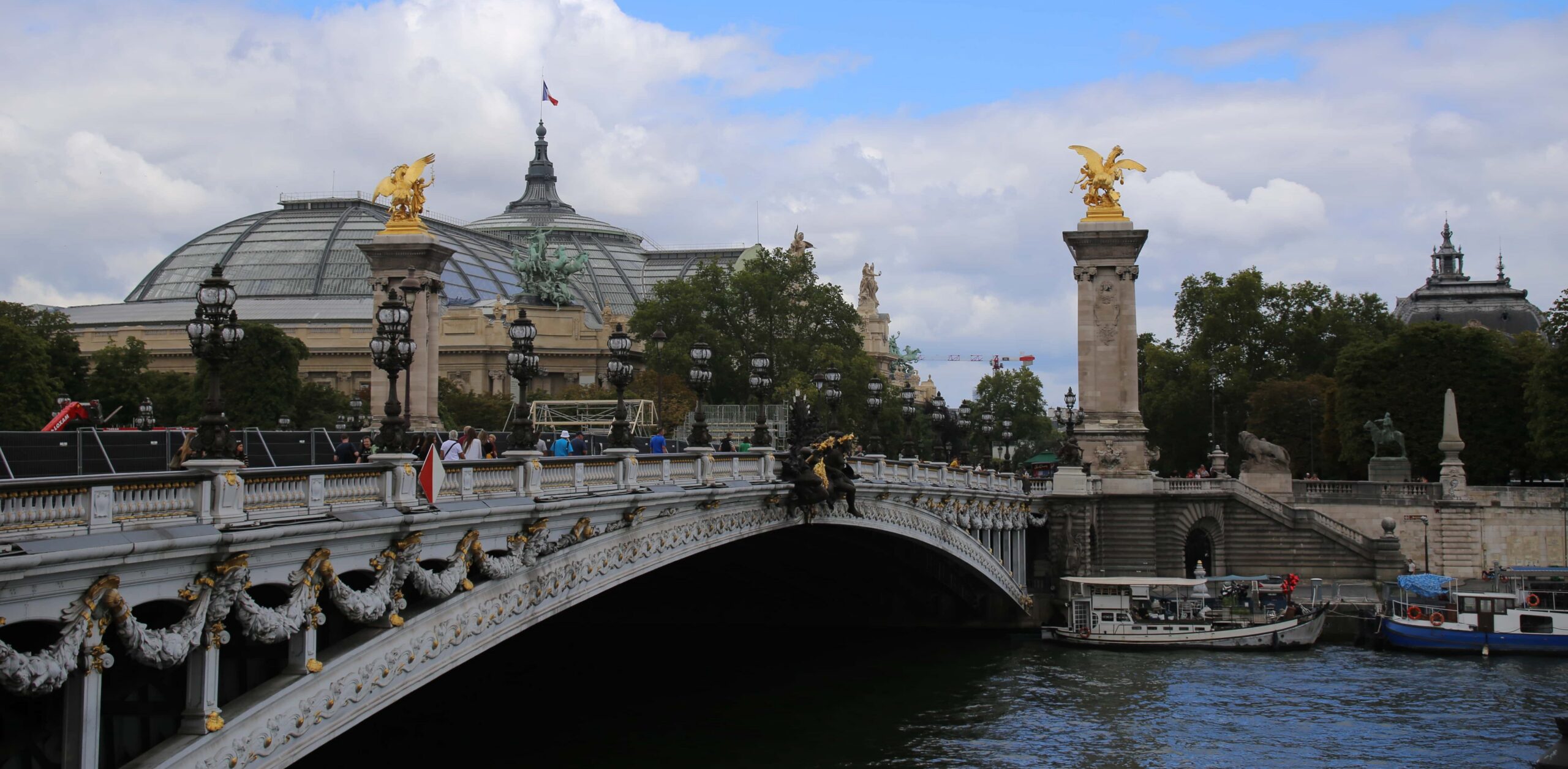
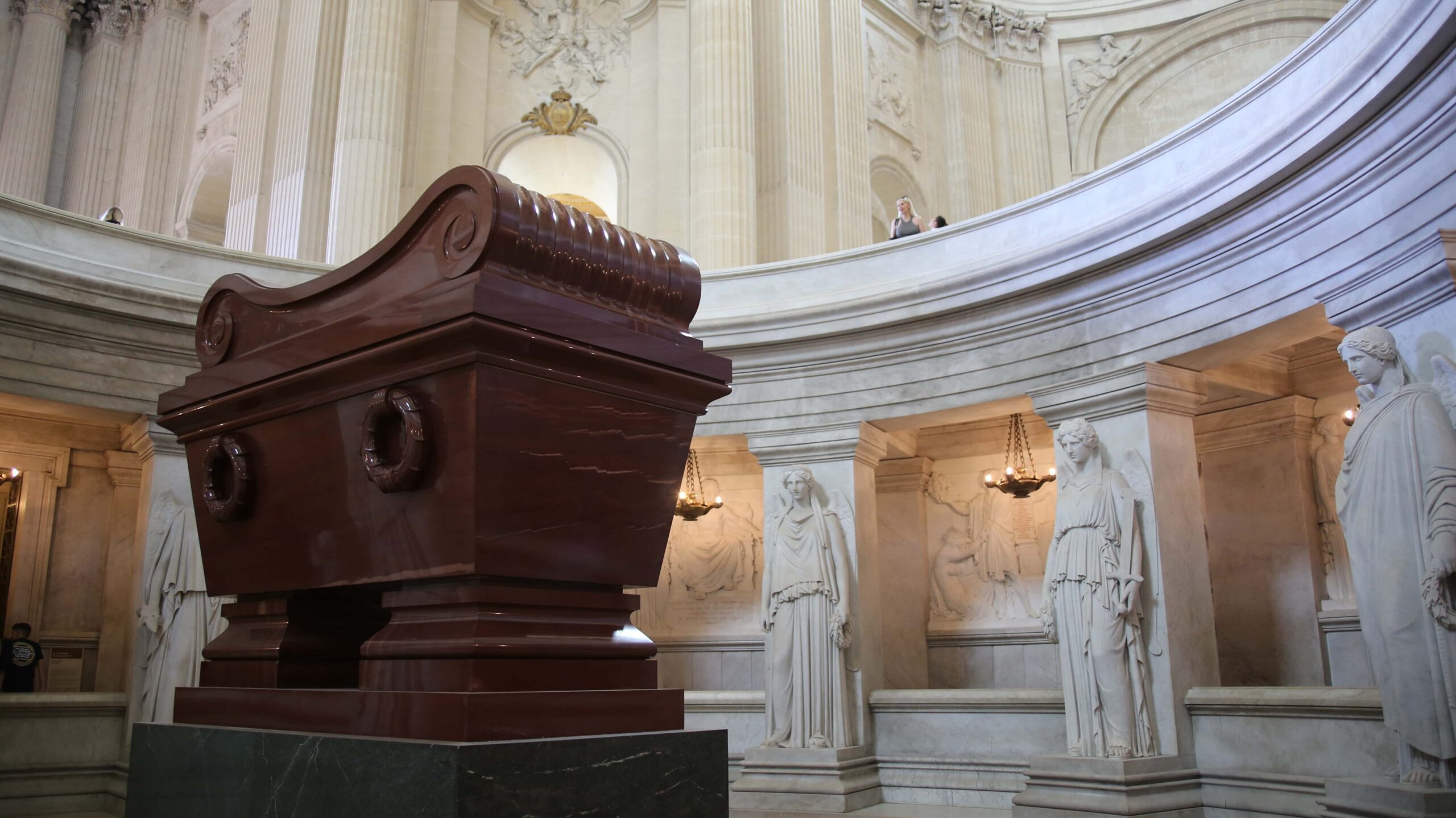
Keep walking and you reach the Pont Alexandre III, the most photogenic bridge in Paris, with its golden lamp posts and the Grand Palais in the background. It’s the classic movie-postcard bridge, and it doesn’t need a filter. If you like history, the last stop of the day is the Musée de l’Armée, with its Napoleon section: the weapon galleries and the emperor’s tomb beneath the dome, a place that really makes you feel small.
3. Day 2: the Eiffel Tower from every angle
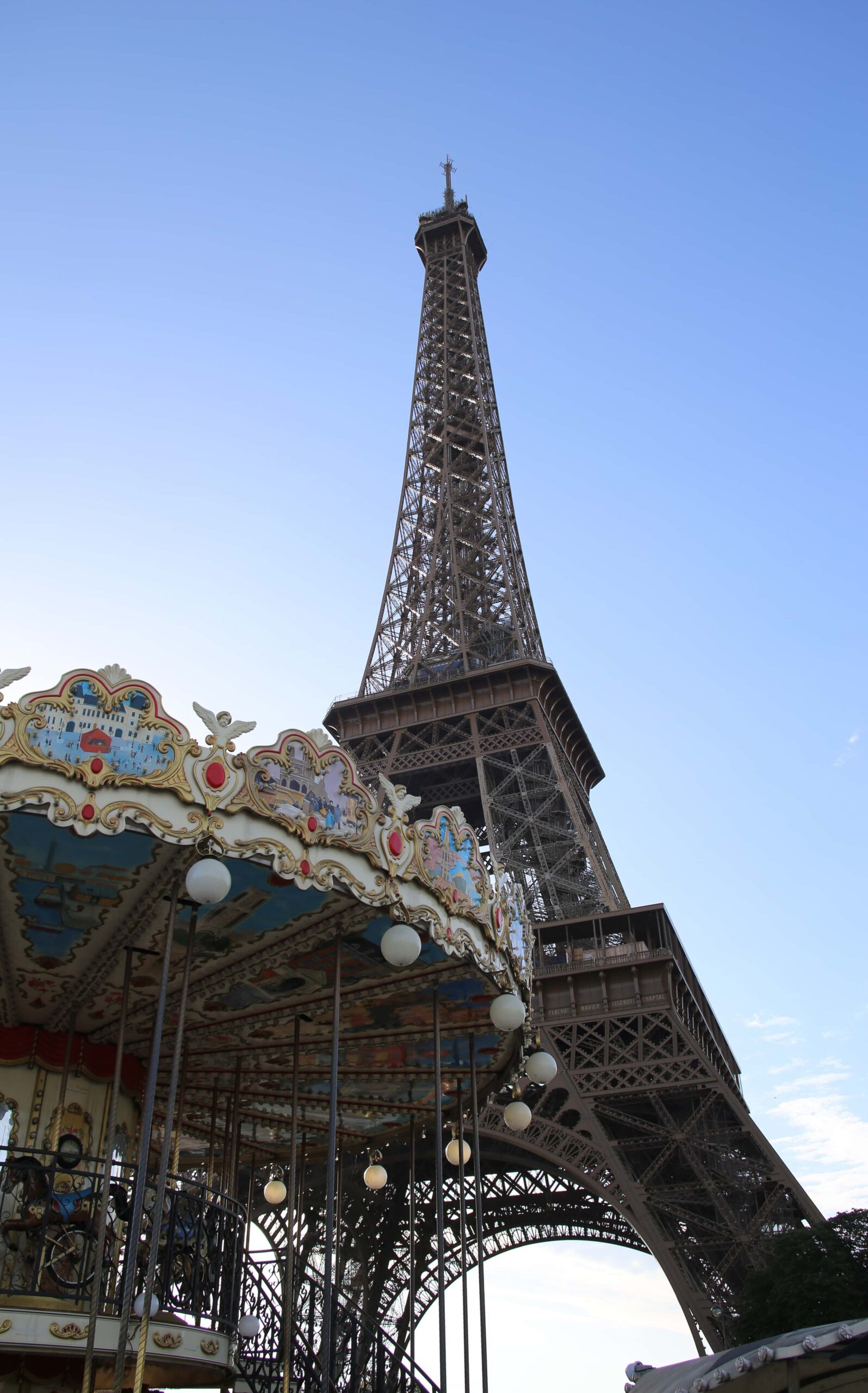
Today is for the star of the trip. We start at the Trocadéro, the classic spot to see the tower head-on; at its feet, the Warsaw Fountain, which fills with people and skaters the moment the sun comes out. And from there, straight to the Eiffel Tower. My advice if you want to go up: book ahead, because the queues are the worst souvenir.
Below the tower you’ll find the Champ de Mars, the huge green park where the best plan is to buy something to nibble and lie back looking up at the tower at your own pace. It’s one of those moments no guidebook advertises and that you end up remembering more than the rest.
4. Day 3, morning: from the Arc de Triomphe to the Louvre
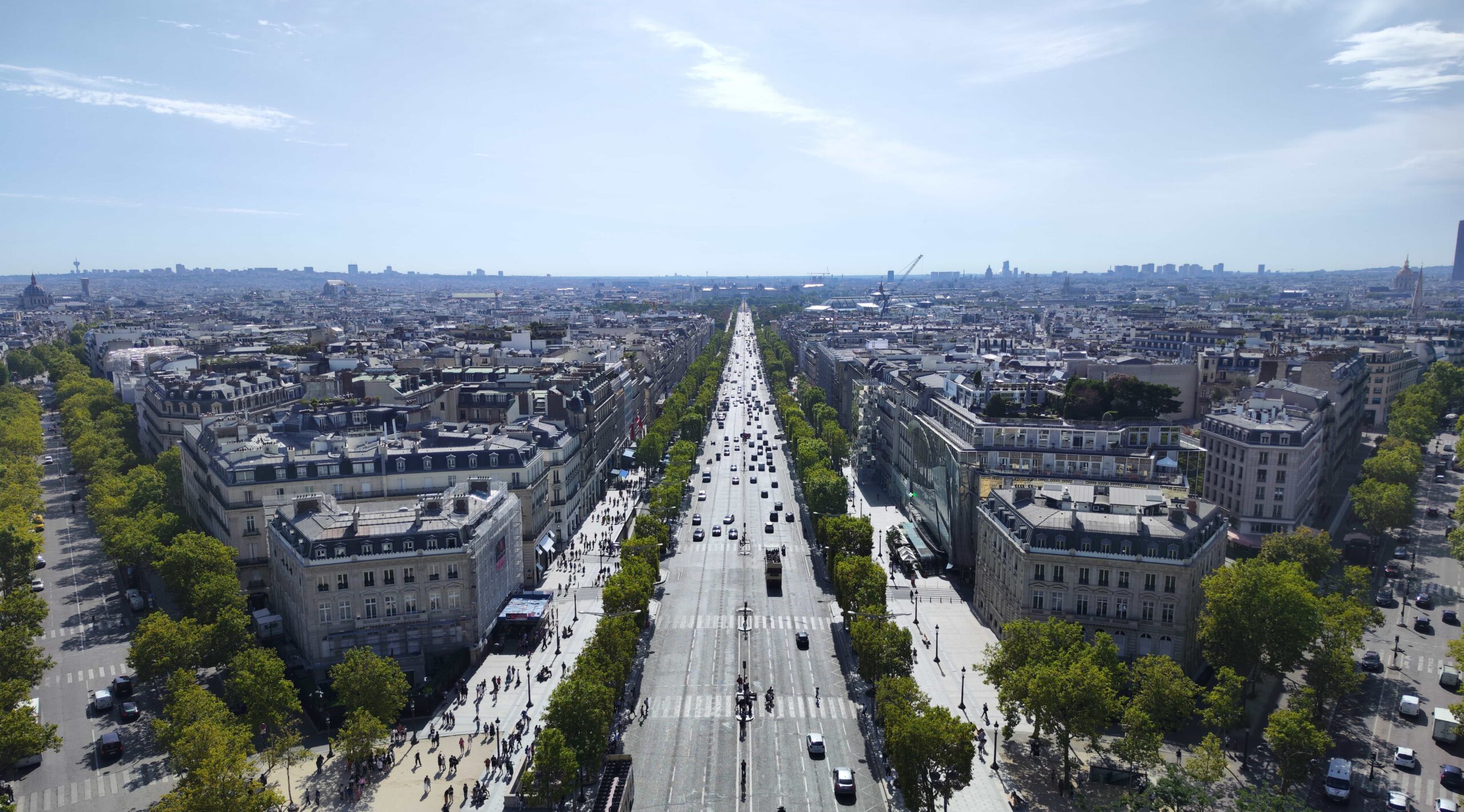
Today it’s the turn of the most famous avenue in the world. The Arc de Triomphe was, of the whole trip, one of my favourites: it looks out over the most chaotic roundabout in France and has views of the city that even the skyscrapers don’t give you. From there you walk down the Champs-Élysées, past the Grand Palais with its glass roofs, until you reach the Tuileries Gardens, where it’s worth stopping, sitting down and watching life go by.
And at the far end of the gardens, the Louvre Museum. Confession time: it’s the most famous museum in the world, but also the most chaotic, and very hard to visit in a single day. Between the queues, the endless galleries and the crowds squeezed up against the Mona Lisa, the experience can frustrate more than it delights. My advice: don’t try to see everything; pick two or three things you’d die to see and enjoy those. In the long run you’ll come away with more of a memory than if you try to swallow the whole museum.
5. Day 3, afternoon: from the Panthéon to Montmartre
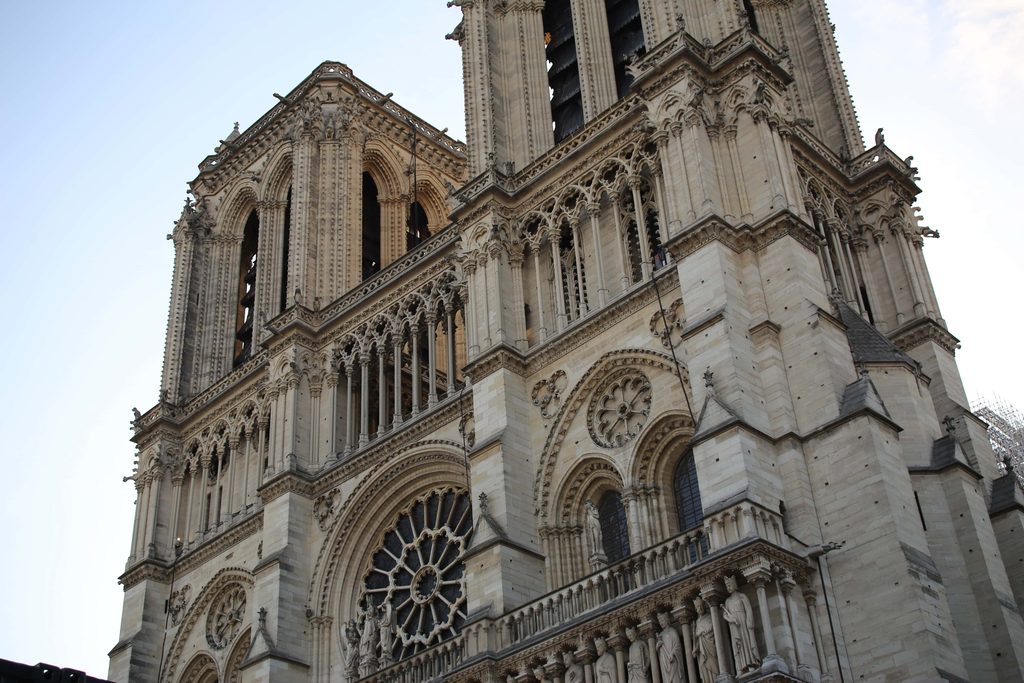
The afternoon is the most demanding of the trip and, also, one of my favourites. We start at the Panthéon, the resting place of France’s greats (and some who weren’t strictly French, like Marie Curie), and head on to Notre-Dame Cathedral, one of the greatest expressions of Gothic art and a symbol of Paris. It was reopened in 2024 after the 2019 fire.
Then it’s off to the Palais Garnier, which was another of my favourites: gold, crystal chandeliers and a staircase straight out of a storybook. Don’t expect just another theatre, because it isn’t. To close the day, two stops in a row: the Moulin Rouge, its red blades glowing in the Pigalle night, and Montmartre. Climb up to the Place du Tertre, where the painters sketch on the spot, and finish at the Sacré-Cœur Basilica: from its steps you can see the whole city, and in the evening light it is, without a doubt, the image that stayed with me from Paris.
6. Eating in Paris without breaking the bank
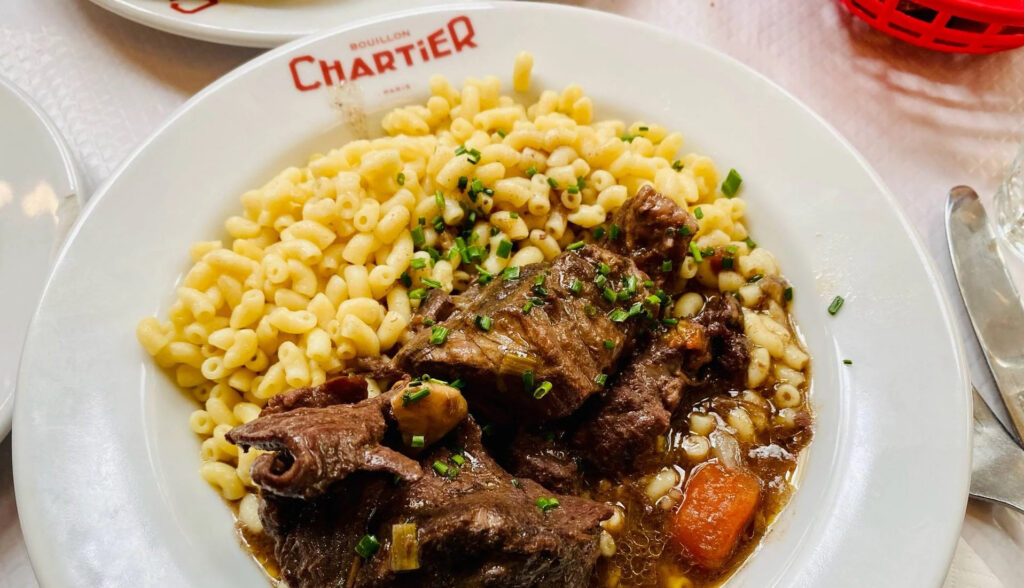
There are many ways to eat in Paris, and I’ll give you the two that worked for me. The first, Bouillon Chartier Grands Boulevards: a historic bistrot with paper tablecloths, apron-wearing waiters and classic French cooking (soups, œufs mayonnaise, the classic boeuf bourguignon, duck…) at prices that don’t scare you. It’s noisy, it’s historic and it really is one of the best meals for little money in the city.
And for the sweet chapter, La Crème de Paris: sweet crêpes and waffles that fix any craving with style. Yes, it’s a chain, but one of the good ones, with central locations and portions that justify the walk.
And because Paris is also about food, here’s the where-to-eat-in-Paris guide by neighbourhood with the rest of the foodie route.
7. More tips for travelling to Paris
To finish, here’s a quick list of things I wish I’d known before arriving:
- Book the Eiffel Tower and the Louvre in advance. The queues in Paris are also a monument.
- The car is better parked. Paris is done on foot and by metro; driving around the centre is more stress than anything else.
- Pack comfortable shoes. The days are long and the city is walked end to end.
- Download an offline map with all the spots marked before you leave: I kept adding each day’s route to Trively, from the Trocadéro to Montmartre, and I didn’t miss a thing; not even in Montmartre, the neighbourhood that gave me the most trouble.
- Leave room to improvise. However much you plan, Paris will hold a surprise for you (mine was the Palais Garnier).
Have you been to Paris? What left you speechless? Tell me in the comments and together we’ll make this Paris travel guide even better. Happy travels!