
What to See in Rome: 15 Essentials and 2 Tours
Colosseum, Trevi Fountain, the Vatican and the corners you can't miss on your first time in Rome: the definitive guide to the Eternal City, with 2026 prices, hours, booking rules and tours.
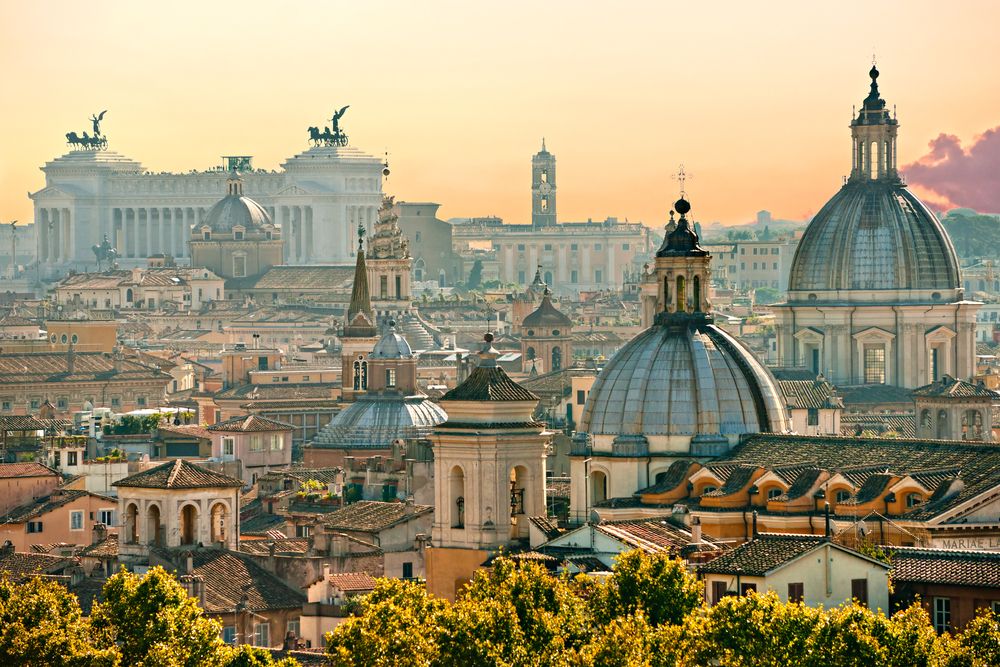
The trick to seeing Rome without wasting your trip
Rome is not a city you sightsee by wandering. You see it by what you book. There are fifteen things here that genuinely matter, and almost every single one that charges admission only works with a reserved time slot. That is the whole trick: a ticket bought in advance gets you out of a two-hour queue and leaves the monument to you, and the queue is the only thing that can really ruin a day in Rome.
The second part of the trick is order. The Vatican on a Tuesday at opening is not the same experience as the Vatican on a Saturday at three in the afternoon. The third part is transport, which looks like a detail and is half of what you spend on the trip.
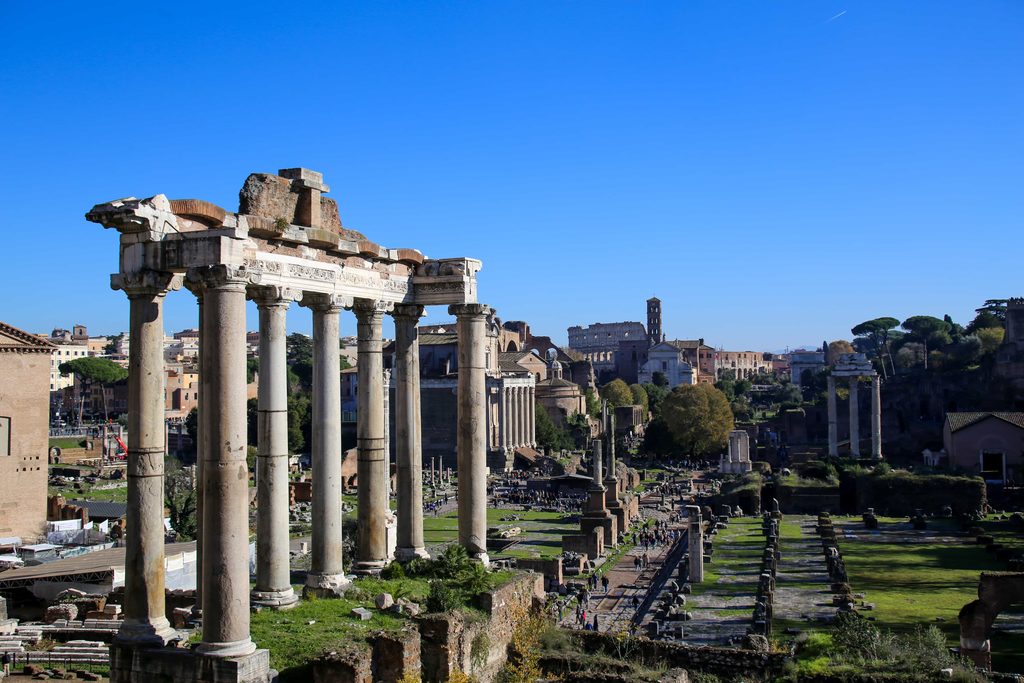
ATAC transport prices for 2026 are the same on the metro, the bus and the tram. A single BIT ticket costs EUR 1.50 and lasts 100 minutes (one metro trip included). ROMA 24H costs EUR 8.50, 48 hours is EUR 15, and 72 hours is EUR 22. The weekly CIS pass is EUR 29. Since 2026 you can tap a contactless card or your phone at the turnstiles, and there is one detail that saves money without buying anything: if you tap the same card six or more times in 24 hours, the system caps it for you at EUR 8.50, the price of the day pass.
On museum passes, the Rome Pass costs EUR 36.50 for 48 hours (one free entry) and EUR 58.50 for 72 hours (two free entries), according to the official list from February 2026. Two warnings that show up in the official information over and over: the pass does not include the Vatican Museums, the Sistine Chapel or St Peter’s Basilica, and even with the pass you still have to book a time slot for the Colosseum and the Galleria Borghese. The pass is a discount, not a shortcut.
With that decided, order your days. And for everything that is not inside a museum, the city is free: the fountains, the three big piazzas, Trastevere and the Villa Borghese gardens all cost nothing at all.
The 15 Rome essentials, with 2026 prices and opening hours
This is the useful table. Every row gives you the real 2026 price, the opening hours and, most importantly, whether you need to book and how far ahead. Pick by row, not by famous name.
| Site | 2026 price | Hours | Booking |
|---|---|---|---|
| 1. Colosseum, Roman Forum and Palatine Hill | EUR 18 for all three | Every day | Required, 10 days ahead, 20 in high season |
| 2. Vatican Museums and Sistine Chapel | EUR 20 at the desk, EUR 25 booked online | Monday to Saturday 08:00-20:00, last entry 18:00 | Online, date-specific. Free on the last Sunday of the month, 09:00-14:00 |
| 3. Pantheon | EUR 7 (EUR 5 until 30 June 2026) | Every day 09:00-19:00, last entry 18:45 | Timed ticket recommended. Free on the first Sunday of the month |
| 4. Trevi Fountain | Basin é2; the piazza is free | Paid access 9:00-22:00 | No booking. The basin is free before 9:00 and after 22:00, and there is no queue at 06:00 |
| 5. Piazza Navona | Free | Open 24 hours | No booking needed |
| 6. Piazza di Spagna | Free | Open 24 hours | No booking needed. Flowers on the steps in April and May |
| 7. Piazza del Popolo | Free | Open 24 hours | No booking needed |
| 8. Castel Sant’Angelo | EUR 16 | Tuesday to Sunday 09:00-19:30, last entry 18:30 | Book in high season. Closed Mondays |
| 9. Circus Maximus | Free, it is an open archaeological park | Daylight hours | No booking needed |
| 10. Theatre of Marcellus | Included with the Roman Forum ticket | Daylight hours | Same booking as the Colosseum |
| 11. Vittoriano | The atrium is free, the terrace is paid | 08:30-18:30 | No booking for the atrium |
| 12. Trastevere | Free | Always open | No booking needed |
| 13. Bocca della Verita | Free from the street, the church charges for entry | 09:00-19:00 | No booking needed |
| 14. Villa Borghese and Galleria Borghese | Park free, gallery EUR 16 | Gallery follows museum hours | Required for the gallery, 10 days ahead |
| 15. Church of Sant’Ignazio | Free | 09:00-19:00 | No booking needed |
Rome in 3 days: how to spread the 15 essentials without crossing the city five times
All fifteen stops in this guide fit into three days without rushing, as long as you group them by neighbourhood rather than by fame. The order below is designed so each day ends somewhere good to eat and so you never retrace your steps the next morning. It is not the only possible split, but it is the one that makes you walk the least asphalt twice.
| Day | Area | Route | Bookings |
|---|---|---|---|
| Day 1 | Ancient Rome, east | Colosseum first thing, Roman Forum, Palatine Hill, Circus Maximus, Theatre of Marcellus, Bocca della Verit and the Vittoriano at sunset | Colosseum: timed ticket required |
| Day 2 | Vatican and centre | Vatican Museums and the Sistine Chapel in the morning, St Peter’s Basilica, Piazza del Popolo, Piazza di Spagna, Castel Sant’Angelo and Trastevere for dinner | Vatican Museums: timed ticket; closed Sundays |
| Day 3 | Centre and north | Trevi at six, the Pantheon as it opens, Piazza Navona, San Ignazio and Villa Borghese with the Galleria Borghese in the afternoon | Galleria Borghese: booking required |
Three details that save the day. The Vatican Museums close on Sundays, so put them on a weekday and keep Sunday for the centre. The Colosseum is effectively sold out by 11:00: get the 08:30 slot and the Palatine photos will be empty. And the Galleria Borghese enforces a strict timed entry, which makes it the first thing to book on the whole trip, ahead of the Vatican; if you miss out, Villa Borghese is still walkable and you have not lost anything that matters.
Seven of the fifteen are free. That is the second important fact: the Rome you remember is the part that costs nothing, and the part that costs money is four specific sites. A plan that fills your whole week with museums is a planning mistake.
1. Colosseum, Roman Forum and Palatine Hill
All three share one ticket, EUR 18, and they are the part of Rome you cannot get back once you have wasted the day. Booking is mandatory and tied to a time slot: book ten days ahead, or twenty in high season. Buying at the gate saves nothing, because the two-hour queue for the ticket is the real price of that entry. Get the full ticket, which includes the arena.
2. Vatican Museums, Sistine Chapel and St Peter’s Basilica
The official ticket is EUR 20 at the ticket desk and EUR 25 if you buy it online (20 plus a 5 euro booking fee). Hours are Monday to Saturday, 08:00 to 20:00, with last entry at 18:00. Two things worth knowing before you pay: on the last Sunday of the month entry is free, 09:00 to 14:00, and the ticket is valid only for the day it is issued and cannot be changed. The only official booking site is tickets.museivaticani.va, and the lookalike domains charge noticeably more.
Inside, the Sistine Chapel is at the very end of the route, so do not go looking for it on the way in. Wednesday mornings are noticeably quieter, because that is the morning of the papal audience.
3. Trevi Fountain
The basin is no longer free. Since 2 February 2026, tourists and non-residents pay é2 to enter the area right at the water, every day from 9:00 to 22:00, including the first Sunday of the month. For most visitors that changes little: the piazza is still free at any hour, the basin is free overnight, and entry is free for residents, children under five, and people with disabilities plus one carer. The move is simple: come at six in the morning, the only time you will see it the way it looks in the photos. If you cannot get up that early, go first thing in the morning and keep your wallet out of your bag, because pickpocketing in August works with remarkable efficiency.
4. Pantheon
There is a 2026 change here: the official ticket is now EUR 7 from 1 July 2026, it was 5 before that. The reduced rate is EUR 2 for EU citizens aged 18 to 25, and it is free for under-18s, Rome residents and on the first Sunday of the month. It opens every day from 09:00 to 19:00, last entry 18:45, and closes on 1 January, 15 August and 25 December.
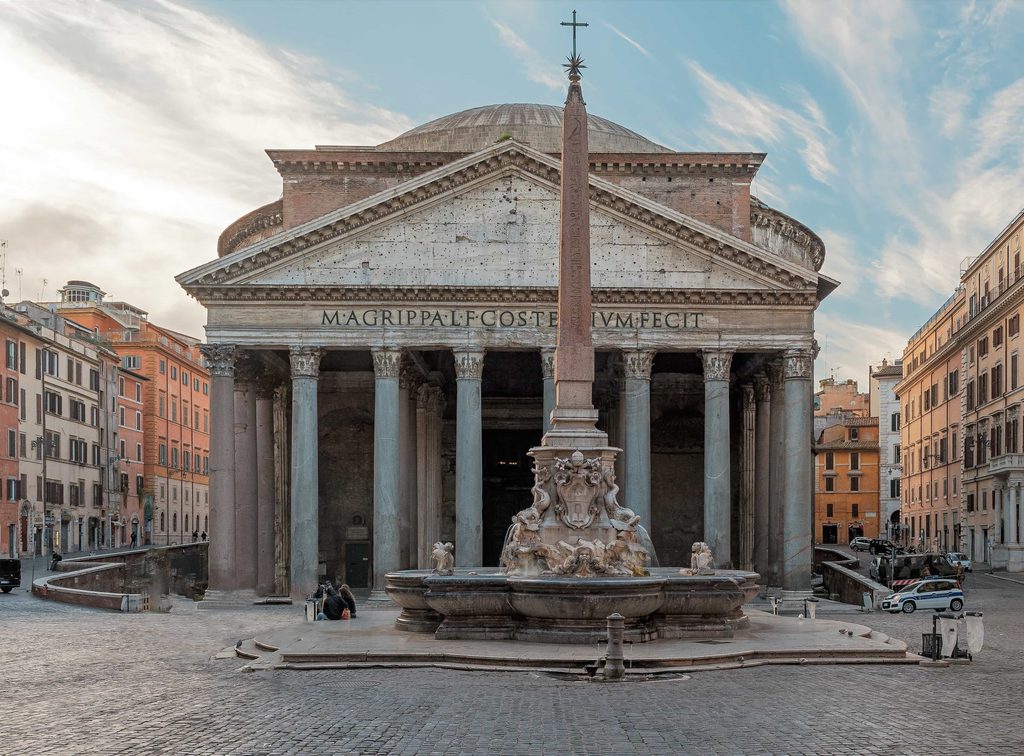
Entry has been time-slotted since 2024, so paying at the door means queueing to buy the queue. At EUR 7 that is not a risk worth taking: book the slot.
5. Piazza Navona
Bernini’s square, built on top of a Roman stadium. Three things make it unique: the Fontana dei Quattro Fiumi in the centre, the Palazzo dei Cinque next door, and the ground you are walking on, which used to be the race track. It is free, always open, and it changes character at night: this is the piazza for eating outside.
6. Piazza di Spagna
At the foot of the Spanish Steps. It is free, and two details save you hassle: the Barcaccia fountain by Bernini is the best place in Rome to park without blocking the pavement, though there is no shade anywhere in the piazza in August; and in April and May the steps are covered in flowers, which is the best reason to climb them. Go up to Trinità dei Monti, because the view from the top more than makes up for it.
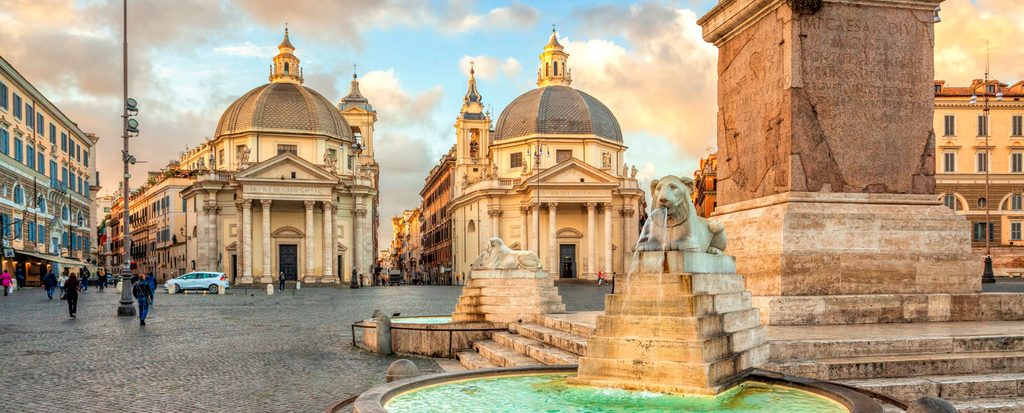
7. Piazza del Popolo
The northern gate to the old city: an oval with the Neptune fountain and the Flaminio obelisk, flanked by the twin churches of Santa Maria in Montesanto and Santa Maria dei Miracoli. It is free, and it is the best piazza to stop in, because there is shade, there are benches and there is Rome watching Rome. To the south the road runs towards the bridge into the centre, and next to that bridge is the Mausoleum of Augustus.
8. Castel Sant’Angelo
An imperial mausoleum turned fortress, then papal palace, now museum. The standard ticket is EUR 16 and the hours are Tuesday to Sunday, 09:00 to 19:30, last entry 18:30. Two warnings: it is closed on Mondays, and also on 1 January, 1 May, 3 May and 25 December.
It takes 1.2 million visitors a year, so a timed booking is worth it in high season. What you cannot get into without booking well ahead is the Passetto di Borgo, the raised corridor that linked the castle to the Vatican and that Clement VII escaped through: it only opens on set dates and limited slots.
The angel terrace at the top is worth the ticket on its own: it is the only panorama in Rome with the Vatican facing you. Budget an hour without a guide and closer to two hours to do it properly.
9. Circus Maximus
The largest circus ever built, 250 metres long, and free: it is an open archaeological park, not a ticketed museum. The disappointing part is that only one side of the seating survives, but the ellipse reads perfectly from ground level and from the Aventine Hill, which is right next to it.
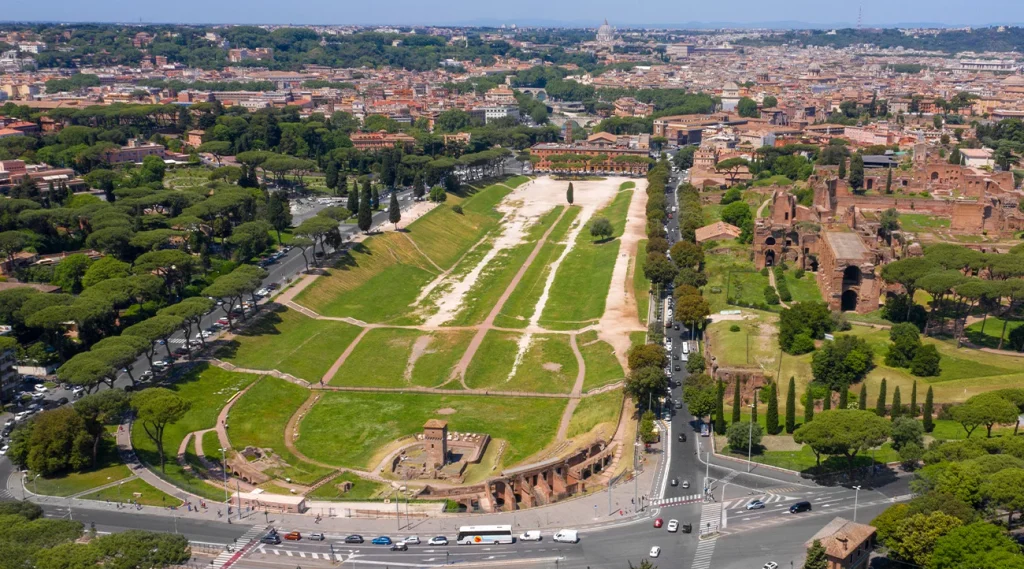
The combination that works: climb the Aventine, see the whole circus, then walk down to the Bocca della Verità, four minutes away. They are two of the most underrated sights in the city and both are free.
10. Theatre of Marcellus
There is no separate ticket: it comes with the Roman Forum ticket, so the same Colosseum booking covers it. You see it from the outside, spend ten minutes inside, and it is the second oldest monument in Rome after the aqueducts. Do not give it more time than that.
11. Vittoriano
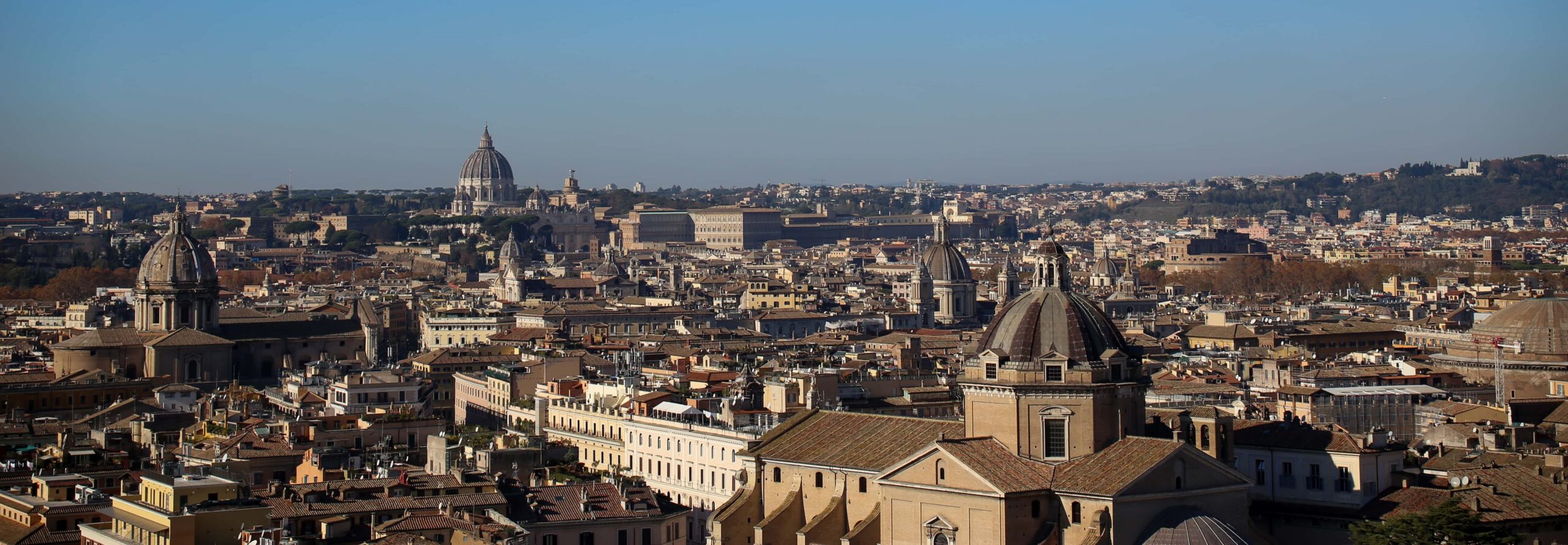
The Monument to Victor Emmanuel II, with its white terrace and the Vatican behind it. The atrium and the stairs are free and the terrace is paid. The good hour is before nine: morning light turns the white marble into something else, and at that time there is nobody around.
12. Trastevere
The Tiber neighbourhood, and the dinner neighbourhood. The whole thing is free: the cobbled side streets, the church of Santa Maria in Trastevere with its mosaics, and the terraces. It fills up from nine in the evening, so either come early or come back for the neighbourhood at another hour. For eating here, our where to eat in Rome guide lists the places with prices and hours so you do not end up somewhere random.
13. Bocca della Verita
The marble mouth in the shape of a disc in the portico of the church of Santa Maria in Cosmedin. You can see it free from the street between 09:00 and 19:00, and the church inside charges a small entry. The legend says it bites liars. The real explanation is duller and better: it is an ancient sewer drain that was bricked over for aesthetic reasons in the eighteenth century.
14. Villa Borghese and the Galleria Borghese
They are two different things and it is worth not mixing them up. The park is free and it is Rome’s lung: cycle paths, a rowing lake and real shade. Inside the park is the Galleria Borghese, which does charge, EUR 16, and it is the hardest museum to get into in the whole city: booking opens ten days ahead and it sells out far faster than the Colosseum.
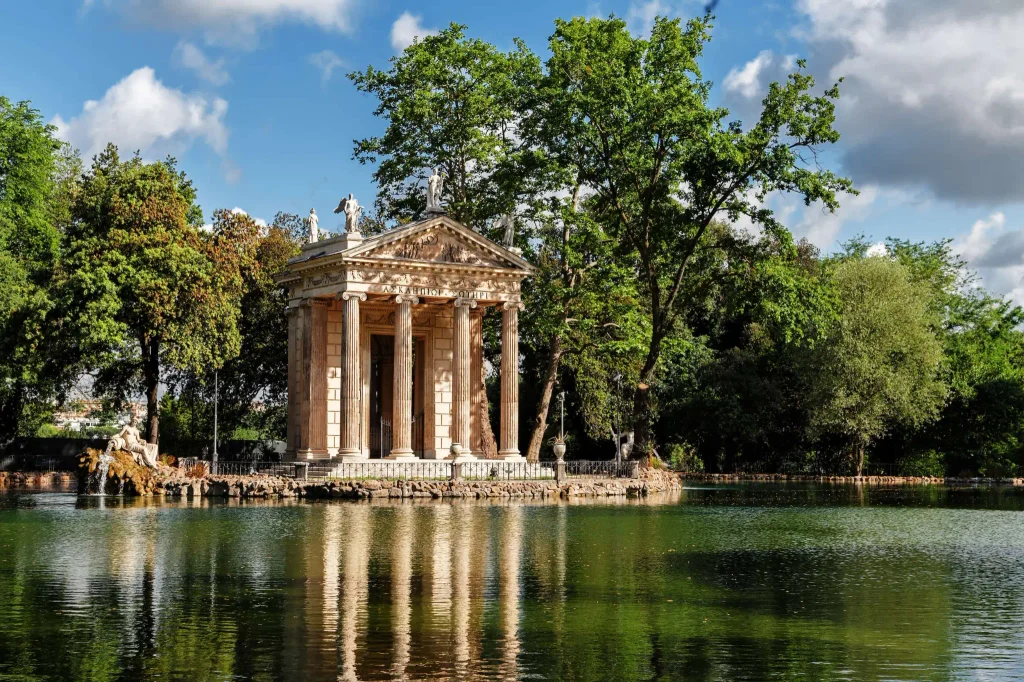
The order that works: gallery in the morning with your reserved slot, park before or after, no rush. And if you do end up missing the Borghese, that is not the gallery’s fault, it is the fault of leaving the booking for the last day.
15. Church of Sant’Ignazio
The church nobody mentions and everybody should. It is free, open 09:00 to 19:00, and what you are here for are the frescoes on the dome: the point where the architecture dissolves and the painted ceiling seems to carry the building upwards. It is four minutes from Piazza di Spagna.
Bonus: a free tour and a mysteries and legends tour
The fifteen sights cover the city but they do not explain it, and that is what these two tours are for. The free tour of the historic centre is the best zero-euro investment of the trip, because it gives you the context that is not on any sign. And if you want to see Rome the other way round, the mysteries and legends tour takes you round the city after dark: the occult, cursed secrets and the darker side of Rome told at nightfall. Leaving a site knowing how that society actually worked, then walking back along streets where there were murders and public humiliations, is a very different plan from getting the photo.
Frequently asked questions
Is the Colosseum ticket worth it? Yes, and the short version is that the full ticket is EUR 18, which is less than the queue. You skip the wait, you get into the arena, and the history makes far more sense with a guide. If the budget is tight, at least book the online ticket with a fixed time slot.
When are the Vatican Museums least crowded? First thing in the morning. Wednesday mornings are noticeably quieter because that is the day of the papal audience. St Peter’s is emptier before nine.
How many days do you need for Rome? With two full days you can see all fifteen stops on this list without rushing. It is possible in one, but the last couple of stops end up happening at night and on an empty stomach.
Can you see everything on foot? The centre, yes. The Vatican and Villa Borghese are walkable too if you organise the day, and they add about 5,000 steps. For the Bocca della Verità and the Circus Maximus, once you are on the Aventine you are already in the area.
Is Rome expensive for food? You eat very well and cheaply if you know where to go. All of it is in our where to eat in Rome guide, with prices, hours and the places worth repeating, and the Spanish version is dónde comer en Roma.
How to keep this guide in your pocket
The practical side solves itself if you plan the trip with Trively: the day’s itinerary on the shared map, the Colosseum, Vatican and Borghese tickets stored in the trip folder, and the dinner bill settled in two taps. Fewer apps, fewer arguments, more Rome.
Rome is not planned to be controlled, it is planned so you do not waste the time you wanted to enjoy it. Sort the tickets, invite the group, and start walking. Have a good trip.
Prices and hours checked in September 2026 and subject to change: always confirm on the official website before you go.