
Krakow Travel Guide: what to see, prices and tickets (2026)
How to plan Krakow in 2, 3 or 4 days: itineraries, Wawel, Auschwitz and Wieliczka with 2026 prices, what to book before you leave and what a day costs.
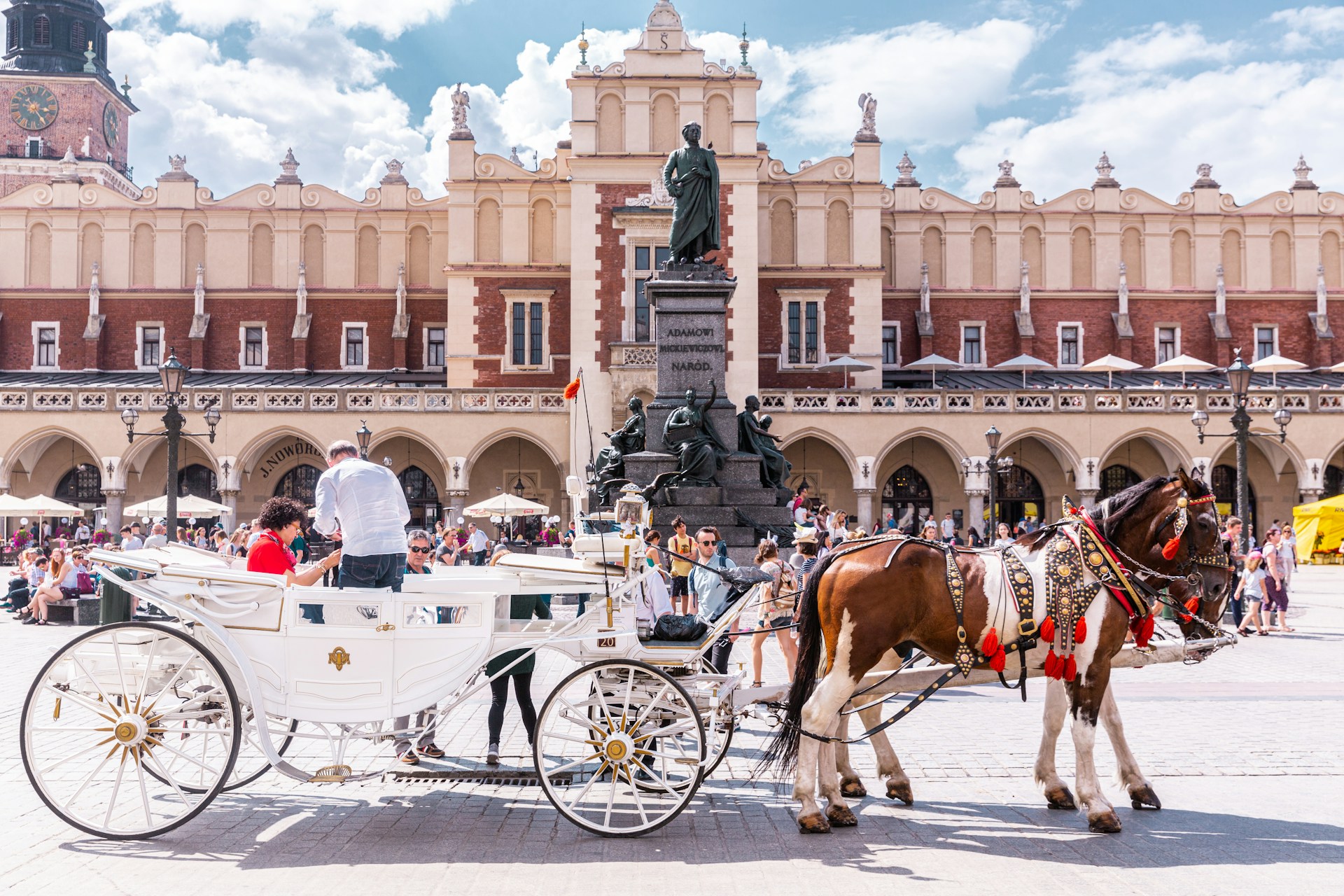
How to plan Krakow: the three bookings that change everything
Krakow is easy to walk and surprisingly hard to plan, because what sells out is not the place, it is the ticket. Wawel Castle, Auschwitz-Birkenau and the Wieliczka Salt Mine all run on timed entry with capped numbers, and in all three cases the difference between booking and not booking is the difference between seeing them and turning around.
The second key is money. Poland is in the European Union but does not use the euro: you pay in zloty (zł), with one euro at roughly 4.30 zł. The third is geography: the Old Town, Kazimierz and Wawel are ten minutes on foot from each other, but Auschwitz is an hour away by train and Wieliczka is twenty minutes. Planning without that in the map is what leaves people with two days of museums and a two-hour queue.
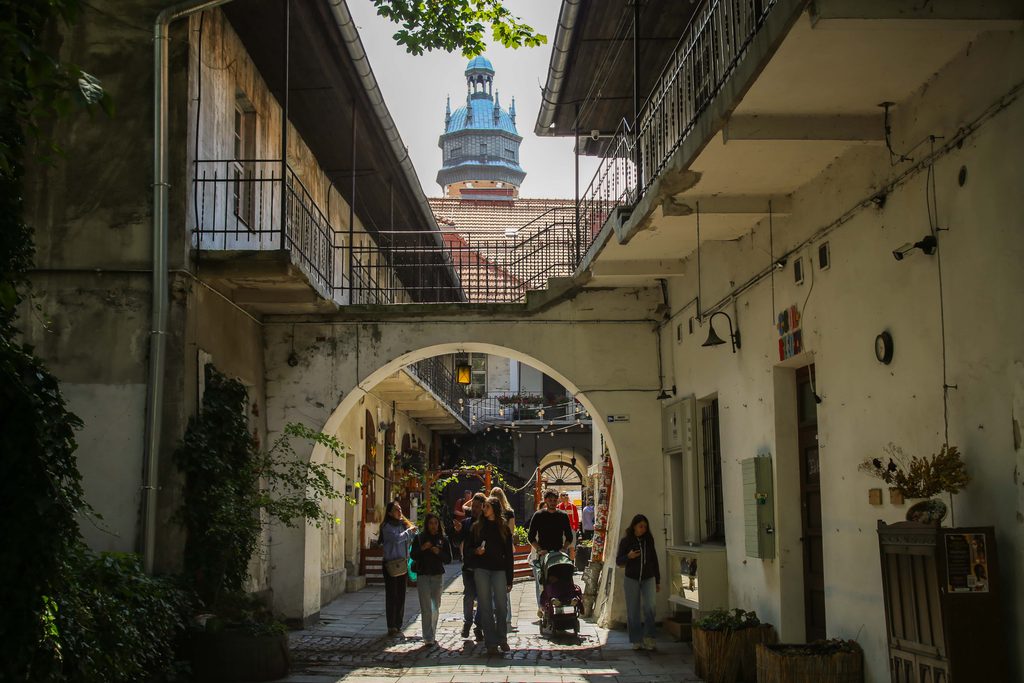
What to book before you leave home
| Visit | 2026 price | How to book |
|---|---|---|
| Auschwitz-Birkenau | Grounds entry is free; the visit with an educator costs from 140 zł (130 zł reduced) | Online only at visit.auschwitz.org. Since 1 March 2026 nothing is sold at the gate. Arrive 30 minutes early |
| Wawel Castle, 1st and 2nd floor | 95 zł (71 zł reduced), audio guide included | Online at wawel.krakow.pl, timed entry. On Mondays it only opens 10:00-16:00 |
| Wieliczka Salt Mine, Tourist Route | Between 159 and 169 zł (131 zł reduced), guide included | Online at kopalnia.pl. The visit is 2-3 hours and involves about 800 steps |
| Schindler’s Factory, Zabłocie | Around 45 zł | Online and timed. Not included in the Kraków Card |
One Wawel detail worth remembering every year: there are free admission days as part of the “Free November” campaign. The 2026 dates are 30 September, 7 and 28 October, 4 and 25 November, and 2 and 30 December. Entry is first come, first served and it does not apply to groups, so the strategy is to turn up early on one of those specific days.
Itineraries: Krakow in 2, 3 and 4 days
2 days: the comfortable minimum
- Day 1, Old Town. Rynek Główny early in the morning, St Mary’s Basilica and the hejnał on the hour, the Cloth Hall and Sukiennice, then Planty and the Vistula in the afternoon, and Kazimierz, which is ten minutes on foot from the centre.
- Day 2, Wawel and Wieliczka. Wawel first thing with the ticket already bought, then Wieliczka by train. Twenty minutes each way and the booking is mandatory. If you would rather skip the mine, make day 2 Auschwitz.
3 days: the balanced option
- Day 1, Old Town. Same as day 1 above, without Kazimierz squeezed in.
- Day 2, Wawel and Kazimierz. Castle in the morning, Jewish quarter in the afternoon with the synagogues open. This is the densest of the three days.
- Day 3, one excursion. Auschwitz, Wieliczka or Zakopane. One done properly beats two done badly.
4 days: with both excursions
- Day 1, Old Town. Rynek Główny, St Mary’s, the Cloth Hall, Sukiennice, Planty and the Vistula.
- Day 2, Wawel and Kazimierz. Castle with the entry pre-booked, and the Jewish quarter at your own pace.
- Day 3, Auschwitz. A full day, with nothing after it. The visit is three and a half hours and Birkenau is the half that matters.
- Day 4, Zakopane or Wieliczka. Zakopane and its viewpoints if you like mountains, Wieliczka if you would rather not get up early.
At five days you are no longer visiting Krakow, you are touring southern Poland, and the question is no longer what to see in the city but how to spread it out.
Budget: what a day in Krakow costs in 2026
These are September 2026 prices and they are there to help you decide what to buy first, not to build a budget to the grosz. The general rule: the expensive part of Krakow is not the food, it is the Wawel ticket and the day trips.
| Cost | 2026 price | Note |
|---|---|---|
| 60-minute MPK ticket | 6 zł | One journey plus transfers within the hour |
| 90-minute MPK ticket | 8 zł | For long routes with a connection |
| 24-hour pass | 18 zł | Only worth it on a day with several rides |
| 48 and 72 hour passes | 28 and 36 zł | For stays of several days |
| Milk bar lunch | 20-35 zł | Daily dish with a drink, the priciest meal of the day |
| Zapiekanka at Plac Nowy | 15-25 zł | With mushrooms and cheese |
| Pierogi ruskie | 25-35 zł | 18-25 zł in a milk bar |
| Coffee | 12-18 zł | Cheaper standing at the bar than sitting at a table |
| Wawel, 1st and 2nd floor | 95 zł | The big spend in the city |
| Wieliczka | 159-169 zł | Guide included, 2-3 hours |
| Auschwitz with an educator | From 140 zł | The grounds are free, the guided visit is not |
| Kraków Card, 24h | Around 95 zł | Transport and museums; the final price varies by sales channel |
The Kraków Card, honestly
The Kraków Card gives you unlimited public transport and free entry to more than twenty of the city’s museums and galleries. The list has been cut back: it used to cover around forty attractions, and since 2026 it no longer includes Rynek Underground or the Schindler factory. It comes in 24, 48 and 72 hour versions that start counting from the moment you activate it. The catch is that the big sights are left out: Wawel is not fully included, and neither are Wieliczka and Auschwitz, because they are independent institutions. If your plan is Wawel plus Auschwitz plus Wieliczka, the card will barely save you anything. If you are going to stack five or six city museums and use a lot of trams, then it does pay off.
The practical rule: with two or three paid visits a day and four or five tram rides, the card pays for itself. With one visit a day, buy the transport pass and move on.
On money: pay by card whenever you can, because you get a better rate with no commission. But carry some cash, because small milk bars and some market stalls still have no card machine, and that is where you eat best.
Area by area: what to see inside the city
The Old Town and Rynek Główny
The whole historic centre is a World Heritage Site and is walked end to end. The main square, Rynek Główny, is one of the most recognisable places in Europe: four hundred metres a side, St Mary’s Basilica, the Cloth Hall, Sukiennice and the town hall with its clock tower. The Cloth Hall and the basilica can both be visited inside, and on the hour a trumpeter leans out of the basilica tower and plays the hejnał, which stops halfway through the tune. The story goes that an archer killed him at that exact moment. Whether or not that is true, the silence afterwards is real.
Kazimierz, the Jewish quarter
Ten minutes on foot from the centre, Kazimierz is the district you should walk slowly. One of Europe’s largest Jewish communities lived here before almost nothing was left, and you can feel it as you walk: the synagogues, the memorial plaques, the wide streets of low houses and the cafés that have moved into old warehouses. Most of the synagogues are free to enter, which is more than you can say for a lot of the city’s museums.
The neighbourhood changes at night. Kazimierz is the right zone for dinner; if what you want is bars and live music, the centre is better. For picking the exact place, everything is in our where to eat in Krakow guide with prices, hours and type of cuisine, and the Spanish version is dónde comer en Cracovia.
Wawel: the castle that charges by the part
Wawel Hill above the Vistula is the most important complex in Poland and the one that sells worst as a single ticket, because every exhibition is priced separately. These are the official 2026 prices for the essentials:
- Castle, 1st and 2nd floor together: 95 zł (71 zł reduced), audio guide included. This is the full option.
- One floor only: 57 zł (43 zł reduced). The second floor holds the State Rooms with the tapestries of Sigismund Augustus.
- Crown Treasury: 47 zł (35 zł reduced), home of the Szczerbiec sword used to crown the kings.
- Lost Wawel, the underground level: 47 zł (35 zł reduced).
- Dragon’s Den: 15 zł (10 zł), and the Viewing Tower 19 zł (14 zł) only between 24 April and 31 October.
Opening hours: Tuesday to Sunday 09:00-17:00, and Mondays only 10:00-16:00. Last admission is 120 minutes before closing on the combined ticket and 50 to 60 minutes before on the single floors. Wawel Cathedral is charged separately and is not in any of these tickets. To see everything in one day there is the “Wawel for Enthusiasts” pass at 199 zł, which adds Pieskowa Skała and Stryszów.
Zabłocie and the Schindler factory
Across the river is Zabłocie, the industrial district, and there you find the Oskar Schindler factory, where the story of Schindler’s List happens and where there is a museum today. It is not free: entry is around 45 zł and the visit is timed, so it is worth booking that one too.
Day trips: Auschwitz, Wieliczka and Zakopane
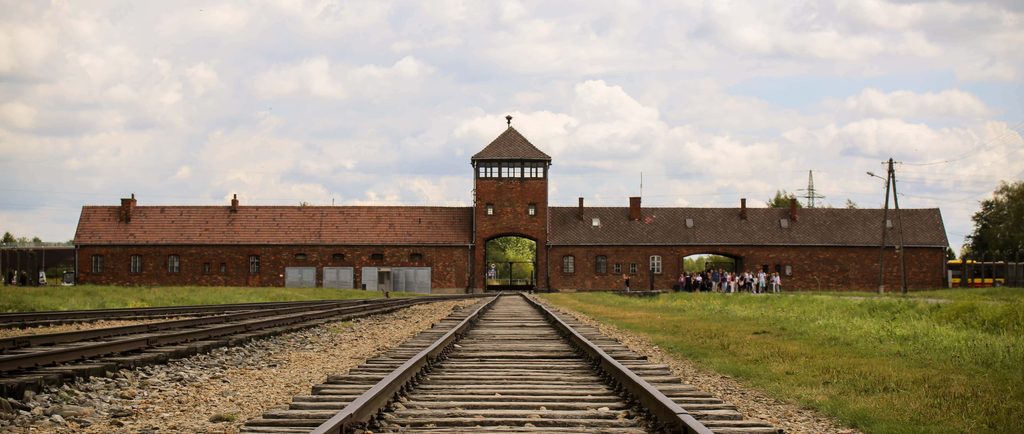
Auschwitz-Birkenau: the visit you have to book
It is in Oświęcim, about 60 kilometres away, reached by train from the main station in a little over an hour. The first thing to get straight is that entering the grounds is free, but since 1 March 2026 every entry pass is booked online only, at visit.auschwitz.org, and nothing is sold at the gate any more. The free pass without an educator is released at most seven days ahead and for afternoon slots; guided visits can be booked months in advance.
The visit with a museum educator lasts about 3 hours 30 minutes and covers Auschwitz I, the shuttle transfer to Birkenau and the most important original buildings of the extermination camp. In Polish it costs 140 zł, or 130 zł reduced, and there is a six-hour study version at 180 zł. The online visit for a single person is 60 zł. Other languages cost more. Two practical warnings: arrive 30 minutes early for the security checks, and the Museum does not recommend the visit for children under 14.
And do not plan anything after it. The visit ends, you walk out, and the rest of the day decides itself.
Wieliczka: a cathedral underground
Twenty minutes by train and 135 metres below ground sits the Salt Mine, a World Heritage Site since 1978 and one of the oldest salt mines in the world, still in operation. The Tourist Route is 3.5 kilometres long, lasts between 2 and 3 hours and involves about 800 steps, some 380 of them at the start. The price runs from 159 to 169 zł and 131 zł reduced, with the guide included, and children under 4 go free. Down there are brine lakes, St Kinga’s Chapel and salt sculptures over two metres tall. The temperature stays between 17 and 18 degrees all year, so take a thin jacket even in August. Book at kopalnia.pl: in summer the mid-morning slots go days ahead.
Zakopane and Morskie Oko
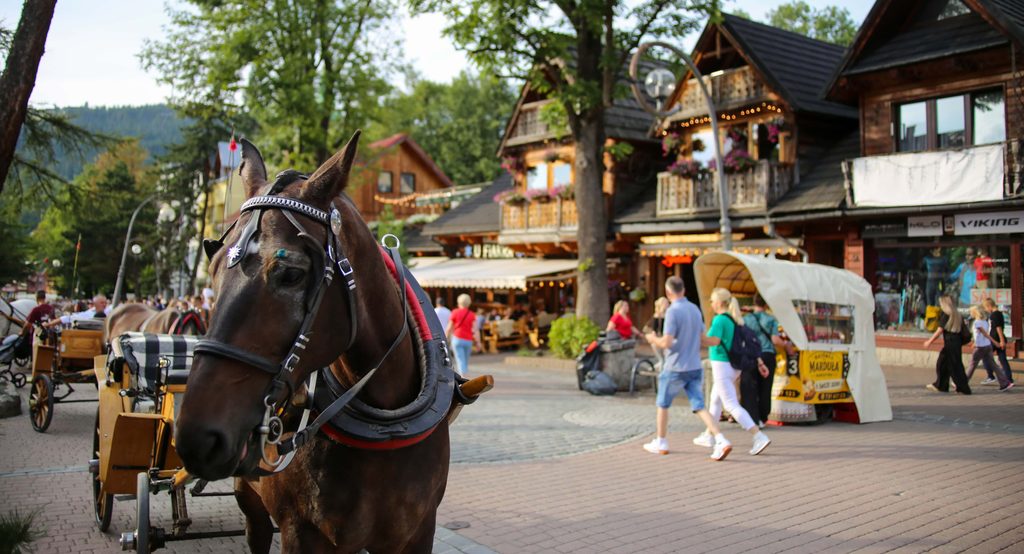
Zakopane is about two and a half hours from Krakow and it is the gateway to the Tatras, a wooden town with stalls selling oscypek on every corner. What no longer fits in a day trip is Morskie Oko: the glacial lake is 9 kilometres from the last car park at Palenica Białczańska, and it is nearly three hours on foot. A bus takes about 40 minutes from Zakopane, and the horse-drawn carriage only covers the first kilometre and a half, so it does not save you the walk. Morskie Oko needs an overnight in Zakopane, not a same-day excursion.
All three day trips can be bought as a package with transport from Krakow, and in every case the transport and the entry are priced separately. Do not compare them on the total alone.
Frequently asked questions
How many days do you need in Krakow? Two covers the essentials, three is the sweet spot and four is where the day trips stop competing with each other. At five you are planning southern Poland, not a city break.
Can you visit Auschwitz without booking? No. Since 1 March 2026 all entry passes are booked online at visit.auschwitz.org and there is no sale at the gate. The free pass does exist, but it is released up to seven days ahead for specific slots. The visit with an educator is the one you pay for, and the one to book well in advance.
Is the Kraków Card worth it? Only if you are doing several city museums and using a lot of trams. It does not cover Wawel in full, nor Wieliczka, nor Auschwitz, and those are precisely the three visits everybody ends up making.
How many steps is it? More than you would guess: the Old Town, Kazimierz and Wawel add up to around 12,000 steps a day, and Wieliczka adds 800 more steps on top. Wear proper shoes, and it makes no sense to plan a day trip and the centre in the same day.
What language is spoken in Krakow? Polish, but in the centre and in Kazimierz almost everyone speaks English, and in restaurants and hostels English is completely normal. Move two streets away from the square and the English runs out fast. With two words (“dzień dobry” and “proszę”) you can start any interaction, and when that fails the phone translator handles the rest.
Is it cheap to eat? Yes, and cheaper than you expect: a daily dish in a milk bar is between 20 and 35 zł and a zapiekanka at Plac Nowy is 15 to 25 zł. Michelin-starred places and tasting-menu dinners are a different category, and for those there is our where to eat in Krakow guide, with 2026 prices and hours.
How to keep this guide in your pocket
This is where Trively stops being just another app: each day’s itinerary on the shared map, the Wawel, Auschwitz and Wieliczka tickets stored in the trip folder with the QR ready, the train times for the day trips one tap away and the dinner bill split when it comes to it. Fewer screenshots lost in the chat, more Krakow.
Krakow is not planned to be controlled, it is planned so that you do not waste the hour you had set aside for the centre. Book Wawel and Auschwitz, leave one day trip loose, and leave the rest for wandering. Have a good trip.
Prices and hours checked in September 2026 and subject to change: confirm on the official websites, and on visit.auschwitz.org, before you travel.