
London Travel Guide: 10 Unmissable Things to See and Do
London travel guide with everything I wish I'd known before going: how to get in from the airport, getting around, the Westminster icons, the free museums, the markets and the best neighbourhoods.
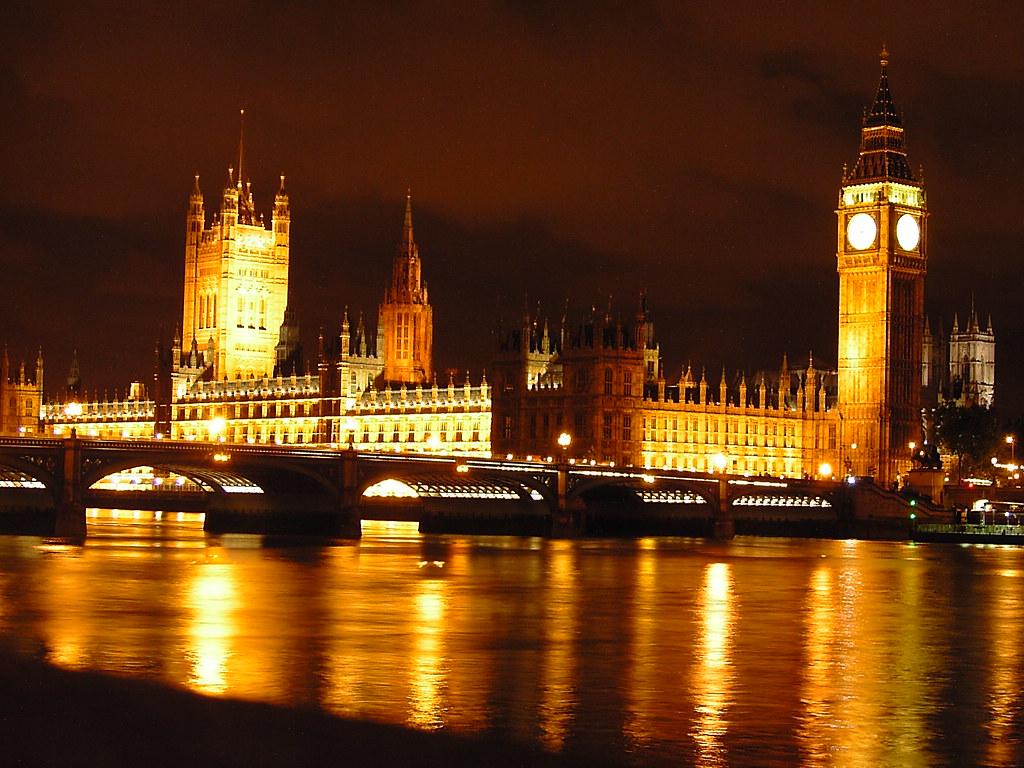
London is huge and, for a first trip, it can be overwhelming: you have to pick and choose. But if you stick to the essentials —the river route, the free museums, the markets and the neighbourhoods with character— the city suddenly becomes manageable and even intimate. This is what I would do on a first visit: the transfers from the airport, transport, the icons and the spots that fool people, places that look purely touristy yet hide local life two streets away. This is my London travel guide.
1. Money: London is expensive, but you can play to your advantage
London uses the pound sterling (£) and is one of the most expensive cities in Europe, especially for hotels and restaurants. The strategy is not to skip anything, but to choose: many of the city’s best plans are free, the food markets let you eat well for less than a gastropub, and transport is very reasonable with the contactless card.
Carry a contactless card or a rechargeable Oyster for transport (more below), pay with a no-fee card where you can and book the two or three «expensive» plans you really fancy (the London Eye, a theatre show, an afternoon tea). With that, London feels lighter on the wallet and you enjoy it just the same.
- The state museums with free entry are the city’s economic gem.
- Eating at the markets (Borough, Camden) or at a pub at midday brings the average way down.
- Watch the price of the room: look for areas with good tube links (night lines) to save money.
2. Language: English, „Cheers“ and the courtesy that opens doors
The language is English, and it’s one of the few places in Europe where you don’t have to explain yourself: everyone speaks it, though with those accents and local phrases that throw you off at first. Learn the travel basics: „Cheers“ (thanks or cheers), „Sorry“ (excuse me, essential on the tube), „Sorted“ (fixed, all in order) and „You alright?“ (the «how are you?») as the all-purpose reply.
In hospitality, English is spoken with total ease; in the street markets and neighbourhood pubs, a «cheers» and a smile work wonders. And if you’re going on about the little cakes, know that the «tea» says it all: from the five o’clock tea to the builder’s tea on site, here the language comes with cups involved.
3. From the airport to the centre: Heathrow and Gatwick in order
The big airport is Heathrow (LHR), about 25 km to the west. The best options to the centre: the Elizabeth line (fast train, about 30-40 min, around £7-8 with Oyster), the Heathrow Express (the non-stop train to Paddington, 15 min, but one of the priciest) and the Piccadilly line of the tube (the budget one, 50-60 min, £5-6 with Oyster).
If you land at Gatwick (LGW), to the south, you have the Gatwick Express direct to Victoria (~£19, 30 min), the Thameslink train (cheaper and runs on into the east of the city) and the National Express coach. The London Underground (the tube) is easy to use from minute one: the lines have colours, the stations announce «mind the gap» and with the contactless card you don’t need a paper ticket.
4. Getting around: the contactless card and walking by the river
The secret of London transport is the contactless card (Oyster or your NFC bank card): you pay per trip (with a daily cap that makes the following rides nearly free), it works on the tube, the bus, the train and even the river boats, and it tops up at any machine. The red double-decker buses cost a little less and give you the best view of the city from the front seats upstairs.
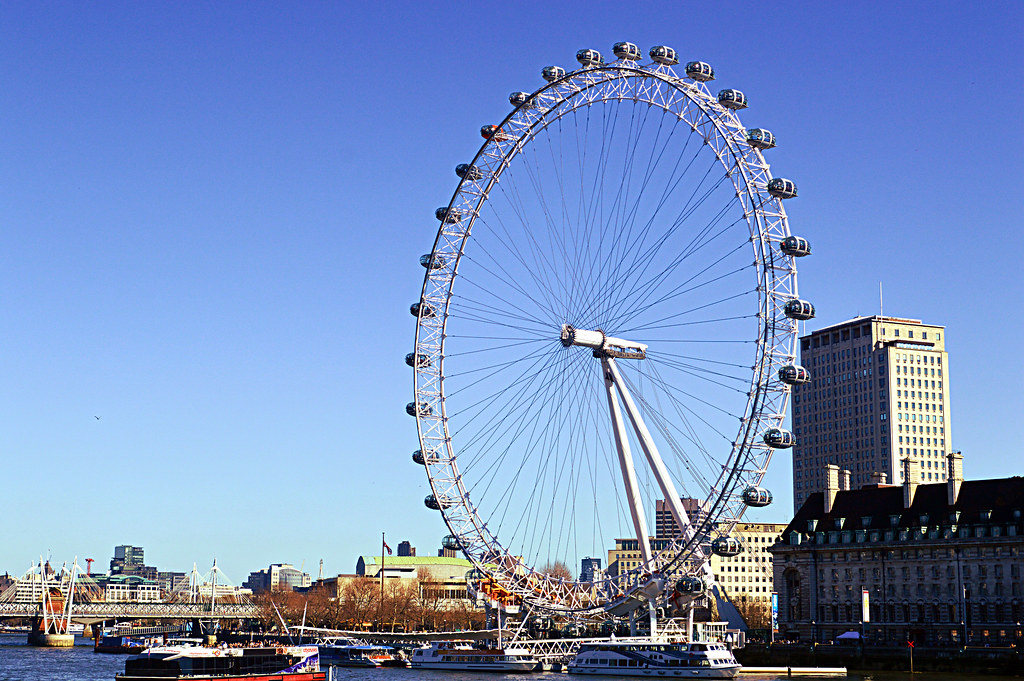
And the plan that never fails in good weather: the South Bank walk (the south bank of the Thames), from the London Eye to the Tower Bridge, heading downstream. Along the way: the Tate Modern, the Millennium Bridge and the riverside stalls. It’s the loveliest (and free) way to «understand» London in an afternoon.
- The Oyster daily cap (the cap) means that from about the 4th-5th ride you are no longer charged.
- Buses don’t take cash: contactless card or Oyster only.
- The Santander bikes (the «Boris bikes») are cheap for short hops and very London, even if the hills are few.
5. The icons: Westminster, Big Ben and the South Bank
The essential walk starts at Westminster: the Big Ben and the Palace of Westminster (Parliament), Westminster Abbey (where kings are crowned) and the station of the same name are all seen in 10 minutes on foot. Then you cross the river and there’s the London Eye, the giant wheel with the best views of the centre (if you’re okay with the price, it’s worth it at sunset).
And back on the ground, the South Bank walk awaits: the concert hall, the views across to the other side and, further downstream, the Tate Modern (modern art, free) and the Millennium Bridge that links it to St Paul’s Cathedral. The perfect plan: Westminster in the morning, British Museum late in the morning, the South Bank in the afternoon and the Tower Bridge in the background.
6. The City and Tower Bridge: history among the skyscrapers
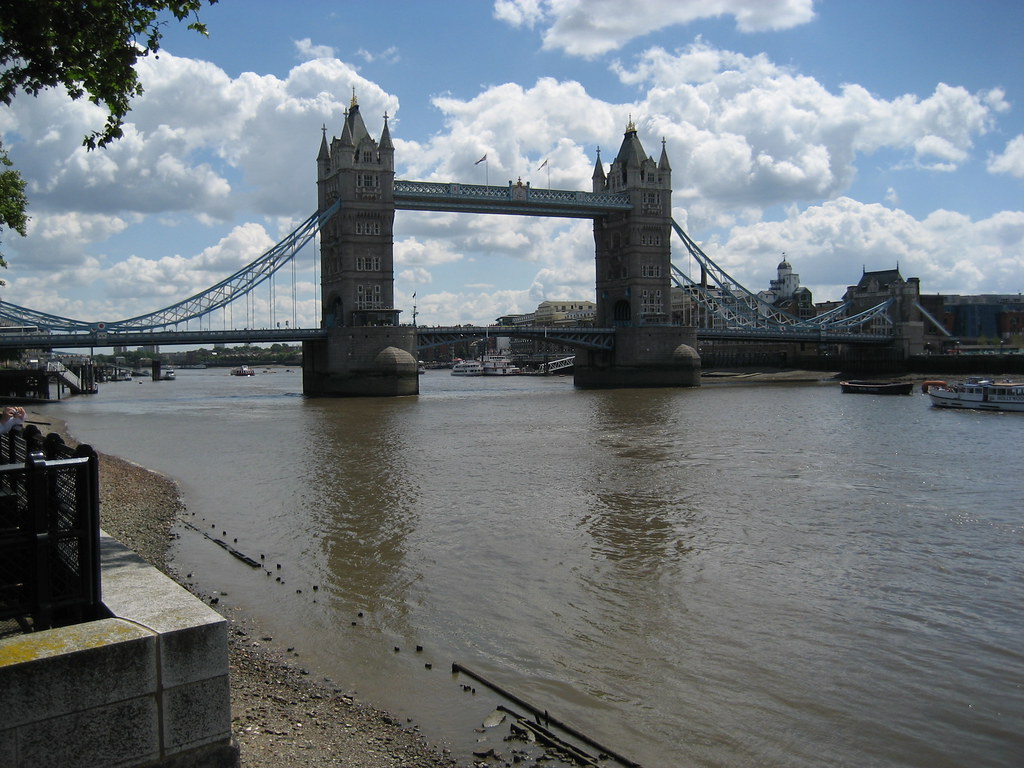
At the eastern end of the walk is the Tower Bridge, the blue bascule bridge everyone photographs, and right by it the Tower of London: the medieval castle with the Crown Jewels (queues: book a time slot). Next door, the City, the financial district, hides historic corners among the skyscrapers, like the Barbican estate or Leadenhall Market, the one from the Harry Potter films.
And very close by, an essential food plan: the Borough Market, the loveliest food market in London (cheeses, hams, hot stalls and legendary sandwiches). It opens through the week, but Saturday is when it’s liveliest: go mid-morning before the queues explode.
7. The free museums: the British Museum and the National Gallery
One of London’s great advantages: the state museums are free (though they appreciate donations). The British Museum is the must-see: the Rosetta Stone, the Parthenon frieze and the Egyptian mummies, all in one afternoon if you take the shortest route. On entry, grab the map and pick the three rooms you really want to see.
At Trafalgar Square you have the National Gallery (Van Gogh, Turner, the Impressionists) a step from the National Portrait Gallery. And in South Kensington you get the Science and Natural History museums, perfect with kids or of an afternoon: the whale skeleton in the Natural History Museum is as huge as it sounds. Mind the hours: many close at 5-6pm, so start early.

8. The neighbourhoods: Covent Garden, Soho, Camden and Notting Hill
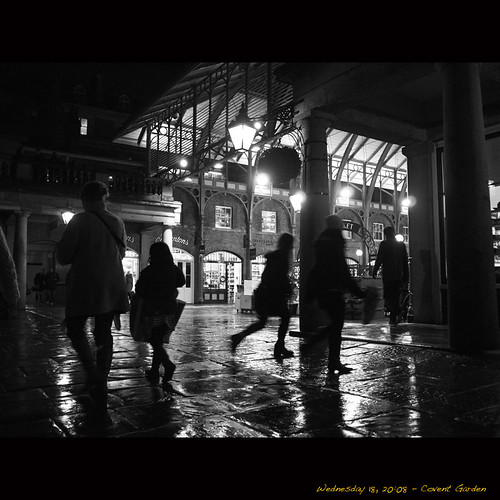
For the afternoon and evening plan, Covent Garden is the lively centre with the glass-roofed market, street artists and theatres all around; Soho, next door, is the going-out area, with bars and the best international food. Camden Town is the alternative market (punk, vintage and world food by the canal), a chaotic and hugely fun plan.
For the postcard neighbourhood, Notting Hill and its Portobello Road: colourful houses (the ones from the film), antique shops and the Saturday market. It’s the most photographed area in the city after Westminster, and for a reason: a loop round the colourful streets of Shoreditch or the docks of the East End completes the artsy side of London.
9. The parks and Greenwich: green spaces and the prime meridian
London has the biggest parks of the European capitals, and you should use them: Hyde Park and the Kensington Gardens in the centre, the Regent’s Park to the north and the riverside gardens. With luck and a bit of sun, a picnic in one of them «is» London just as much as the Big Ben.
And a little-known half-day outing: Greenwich, to the south-east, with its park, the Royal Observatory on the prime meridian and the best views of the City skyline from above. You get there on the Jubilee line or by river boat on the Thames from Westminster or the London Eye: the boat ride is the cheap «river tour» that’s most worth it.
10. Eating: from the pub to an afternoon tea
London food has more level than its reputation allows. The base list for a first trip: a traditional pub with fish and chips or the Sunday roast (the Sunday roast dinner), an English breakfast (eggs, bacon, beans and sausages) and the afternoon tea with crustless sandwiches and little cakes, the English ritual par excellence.
For ethnic food, London is a whole continent: the Brick Lane curries (the East End curry street), the lovely Borough Market for grazing, the Camden stalls or the Brixton area with world cuisine. And for a drink, the pub with its pint and its «cheers»: that’s all you need to feel (almost) local.
And that’s my London travel guide for now. With the Westminster icons, the South Bank walk, the free museums, Covent Garden at dusk and a pub with a proper pint, you take the city away in great shape: river, museums, markets and people smiling with the eternal «sorry». Enjoy your trip and watch out for the «mind the gap».