
Lisbon Travel Guide: 10 Unmissable Things to See and Do
Lisbon travel guide with everything I wish I'd known before going: how to get there from the airport, how to get around, Alfama, tram 28, São Jorge Castle, Belém and Praça do Comércio.
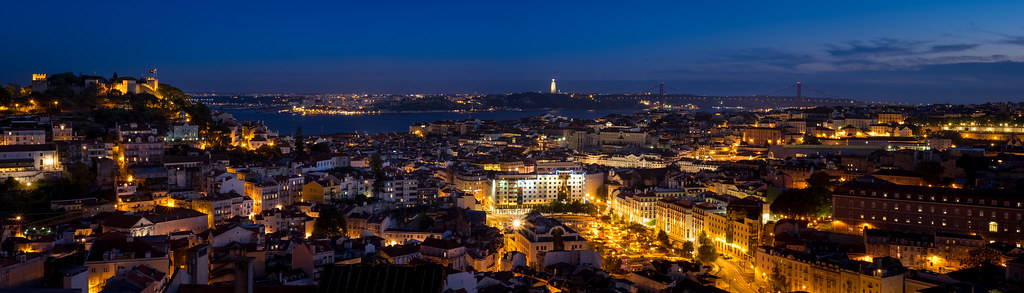
Lisbon is one of those cities that grabs you through the eyes and never lets go: the tiled facades, the yellow trams, the never-ending slopes and an evening light that seems invented for photographs. And the best part is its rhythm: it’s a city for walking slowly, getting lost at a viewpoint and letting the fado carry you away. I’ve put together here the essentials for a first visit, with the transport basics, the Belém area and the corners that are genuinely worth it. This is my travel guide to Lisbon, point by point.
1. Money and the best news: Lisbon isn’t expensive
Lisbon uses the euro and, compared with other European capitals, it’s one of the most affordable cities: a simple meal, a coffee and a transport ticket won’t blow the budget. You can pay by card almost everywhere, but carry a little cash for the market stalls, the viewpoints with a vendor and the small fado bars.
Tipping isn’t compulsory: you round up the bill or leave a small extra if the service was good (5-10%). And one very practical tip for the budget: the ginjinha (cherry liqueur) and the pastel de nata are the happiest “splurges” you’ll have, and among the cheapest things in the city.
2. The language: Portuguese and four words that open the city up
Portuguese sounds similar to Spanish, but every word has its own music. English is spoken without problems in tourism and in the museums; in the neighbourhoods, a couple of words in Portuguese make all the difference: „Obrigado/Obrigada“ (thank you), „Bom dia“ (good morning) and „Por favor“ (please).
Watch out for a traveller’s classic: in Portuguese «depressa» means quickly, and «rápido» is understood almost always the same way; there’s no big trap, but the hills appreciate your own pace. And the one you do need: „A conta, por favor“ (the bill, please), the phrase you’ll use to pay at any terrace.
3. From the airport to the centre: 8 km, no complications
Humberto Delgado Airport (LIS) is only 8 km from the centre and there are several ways to get there: the red metro line (20 minutes to Alameda or Martim Moniz station, ~€1.65), the Aerobus (line 1 to the Baixa, ~€4) and a taxi or Uber (about €15-20 depending on traffic).
The metro is the best value for money if your hotel is in the centre or the Baixa; the Aerobus is super comfortable if you’re travelling with lots of luggage and don’t want to think about changing lines. And a tip for the end of the trip: Lisbon traffic is heavy at rush hour, so for the return to the airport the metro still wins.
4. Getting around: metro, tram and shoes with a good sole
Lisbon is the city of seven hills, and the first rule is to count on the slopes: comfortable footwear is the essential accessory. The metro (four lines), the tram, the bus and the funiculars and lifts (the Santa Justa Elevator, the Glória and Bica funiculars) complete the network, with single tickets for about €1.50 and Viva cards that you can top up without problems.
Tram 28 is the tourist icon: it crosses Alfama, Graça, Bairro Alto and the Baixa on a route that goes up and down like a rollercoaster. They’re usually packed to the brim; if you want to get on calmly, go early in the morning or to the start of the route in Graça. And for the high viewpoints, transport or your legs: almost all of them are reachable on foot, but with the July heat on your back, a tram or a short Uber ride is worth it.
A local secret: the Transtejo boats that cross the Tagus from Cais do Sodré or Terreiro do Paço station cost the same as a city ticket and give you the best views of the city over the river, both ways.
- You can top up the Viva card at the machines and it works on the metro, trams and boats.
- The Glória and Bica funiculars are part of the charm: use them even just for the photo.
- The Tagus boat ticket is the cheap sunset “tour” almost nobody takes.
5. Alfama and tram 28: the city’s Moorish-origin neighbourhood
Alfama is Lisbon’s oldest and most photographed neighbourhood: alleys, stairways, hung laundry and viewpoints that appear out of nowhere. The epicentre for photos and walks are Miradouro de Santa Luzia (with its huge tile panel) and Miradouro das Portas do Sol, from where the neighbourhood and the Tagus are seen in a single frame.
It’s also the neighbourhood of fado: at night, in the lanes around the Sé (cathedral), it’s sung in the restaurants. Go into one with live music (ask about the schedule), order a simple meal and let the fado do its work; it’s the most Lisbon experience you’ll have and it needs no words.
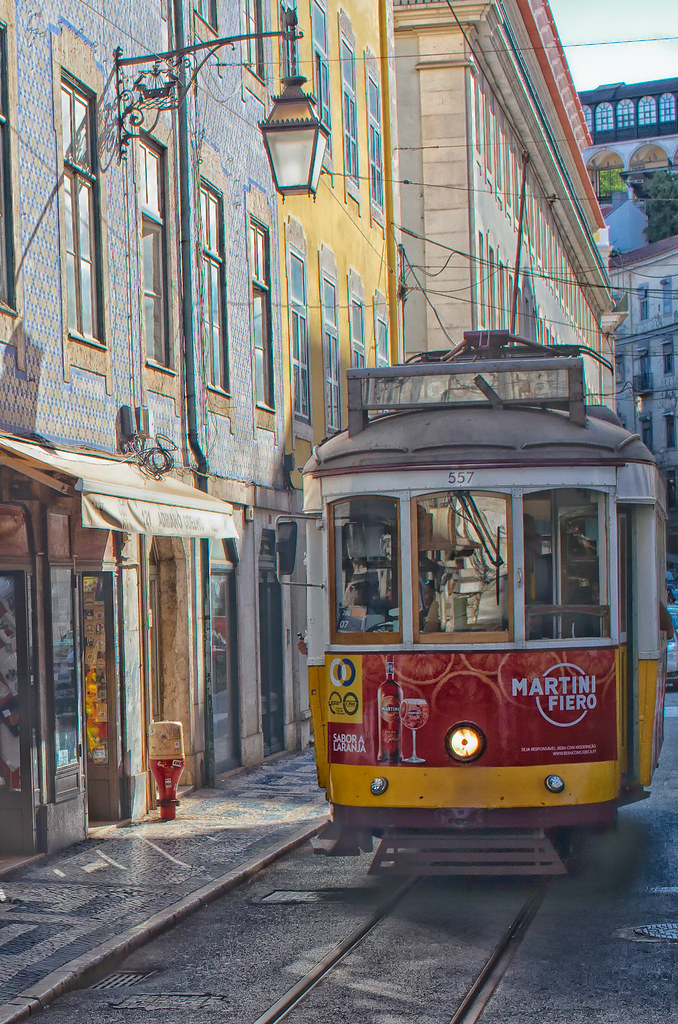
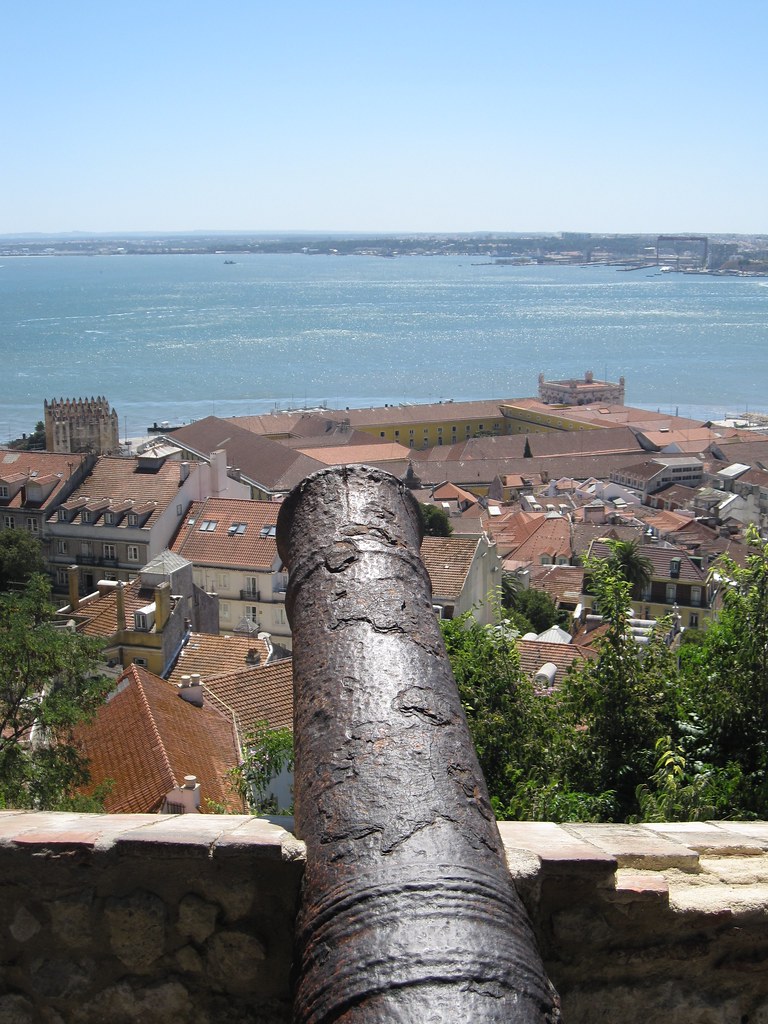
6. São Jorge Castle and the best views in the city
At the top of the hill is São Jorge Castle (Castelo de São Jorge): the city’s original fortress, with its walls, gardens and the famous viewpoint over all of Lisbon and the Tagus. Entry costs about €15 and it’s worth every cent for the natural balcony around it.
If the castle seems like too much, Miradouro da Senhora do Monte, a bit higher up in Graça, offers the most loved views in Lisbon (and free): the dome of the Estrela basilica, the 25 de Abril bridge and the rooftops of Alfama. At the end of the afternoon it fills with people enjoying the sunset with a snack: my favourite corner of the city.
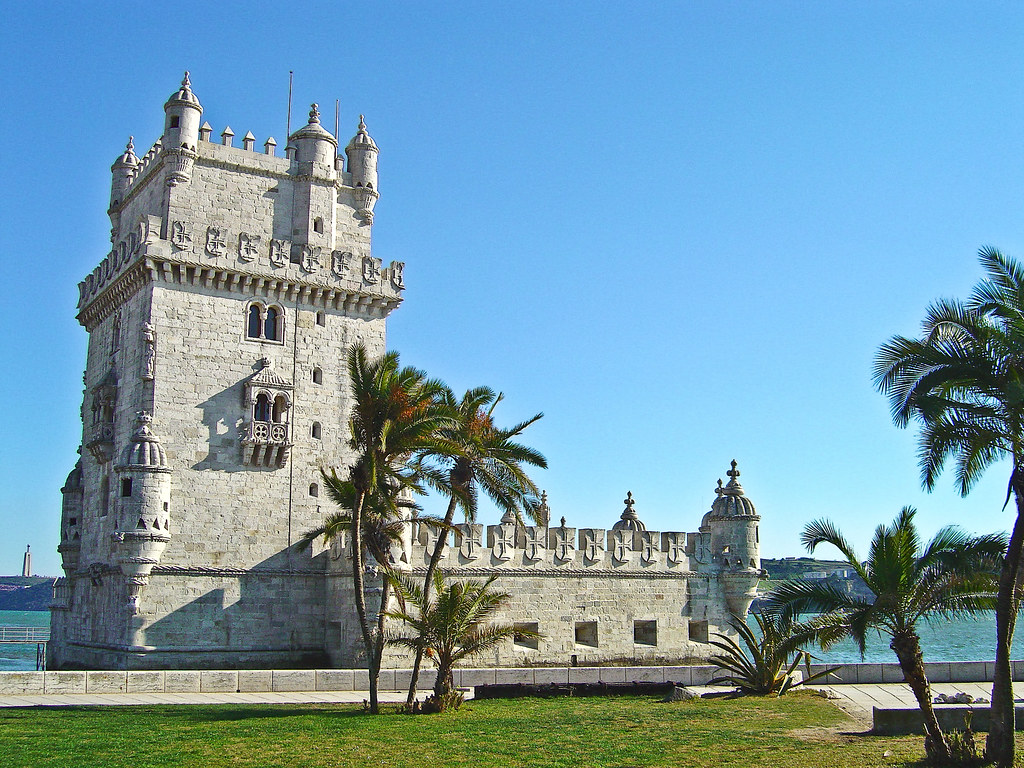
7. Belém: the tower, the Jerónimos and the original custard tart
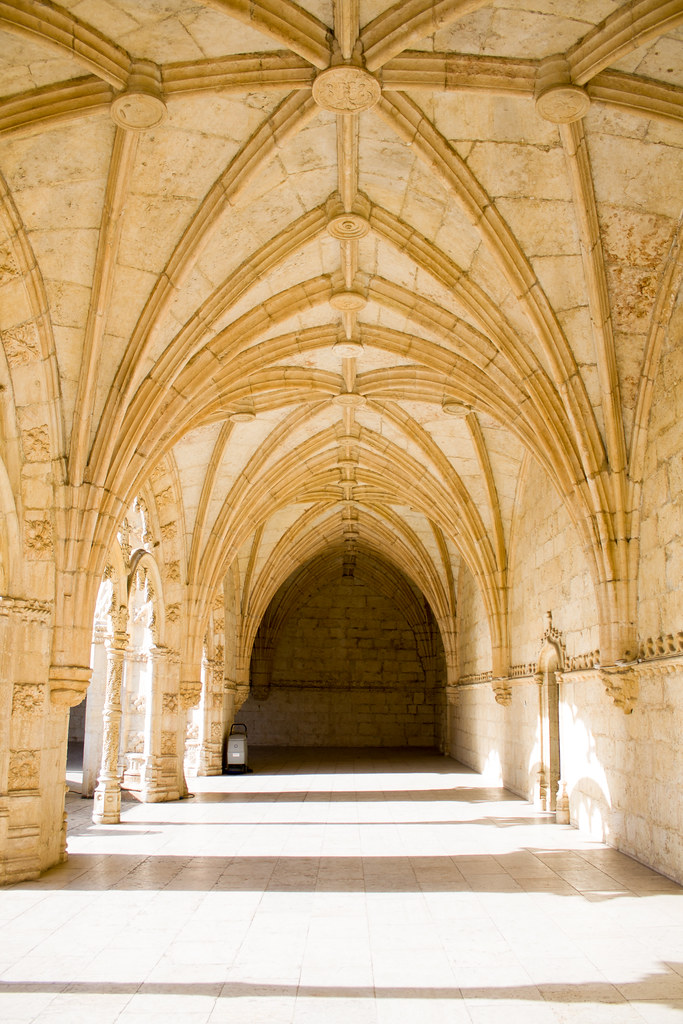
On the bank of the Tagus, west of the centre, is Belém, the area of the great discoveries: Belém Tower, the Jerónimos Monastery (Mosteiro dos Jerónimos) and the Discoveries Monument, all World Heritage and within a ten-minute walk. The Manueline facade of the Jerónimos is one of the prettiest in Europe and the entrance is worth it (or at least the cloister).
And here the pastry chef’s number-one ritual takes place: the pastéis de Belém at the Antiga Confeitaria de Belém, the original bakery of the pastel de nata. Order them hot with cinnamon and repeat: some people come back to Lisbon just for this.
8. The Baixa and Praça do Comércio: the rebuilt centre
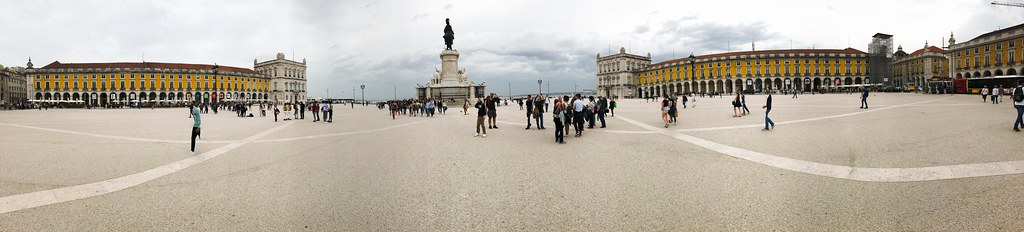
Lisbon’s lower centre —the Baixa— is the city rebuilt after the 1755 earthquake: straight streets, a giant square and a grid that contrasts with the Alfama maze. The heart is Praça do Comércio, facing the Tagus and the Rua Augusta Arch, one of the prettiest places to take a break with views over the water.
From the square and the (pedestrian) Rua Augusta you reach Rossio square in two minutes and, walking up the streets, the Santa Justa elevator, the Sé and the rest of the centre. It’s the area of shops and terrace cafés, but also the best base for setting out on foot to the rest of the city: this is where the trams and the metro leave from.
9. The viewpoints and the hill neighbourhoods: Chiado and Bairro Alto
Lisbon is understood from above, and the list of viewpoints (miradouros) is almost endless: besides the ones already mentioned, Miradouro de São Pedro de Alcântara (over Bairro Alto) and the one in Graça complete the “balcony tour”. The magic hour is sunset: the golden light over the tiles and the Tagus is one of the most photographed in Europe.
Below is Chiado, the elegant neighbourhood of bookshops and historic cafés (café Brasileira and Bertrand bookstore are the classics), and right next to it Bairro Alto, which by day is a quiet stroll and by night the heart of the nightlife. The perfect plan: go up to a viewpoint at sunset, down to Chiado for a coffee, and finish in a Bairro Alto tavern with live music.
10. Eating: from codfish to the pastel de nata
Lisbon’s cuisine is the sea, cod in a thousand versions and divine sweets. The short list: bacalhau à brás (shredded cod with potato and egg), grilled sardines in summer, the bitoque (steak with egg, old-fashioned home food) and pataniscas (cod fritters). The dessert is not up for debate: pastel de nata and ginjinha liqueur with a cherry inside.
For the market plan, Time Out Market (next to Cais do Sodré) brings together good stalls from the city’s chefs at market prices; for the traditional version, the real Mercado da Ribeira and the taverns of Alfama and Graça. And a heads-up about meal times: in Lisbon dinner is late (from 8:30 pm onwards) and the fado starts once the plate is finished, so plan ahead.
And that’s my travel guide to Lisbon for now. With tram 28, the viewpoints of Graça and Alfama, Belém and its custard tarts in the morning, and a night of fado for dessert, you’ll take home the real city. Lisbon rewards those who walk slowly: climb the hills calmly, there’s always a view waiting at the top. Boa viagem!