
Barcelona Travel Guide: 10 Unmissable Things to See and Do
Barcelona travel guide with everything I wish I'd known before going: how to get there from El Prat, how to get around, the Sagrada Família, the Gothic Quarter, the Park Güell, the modernisme and Barceloneta.
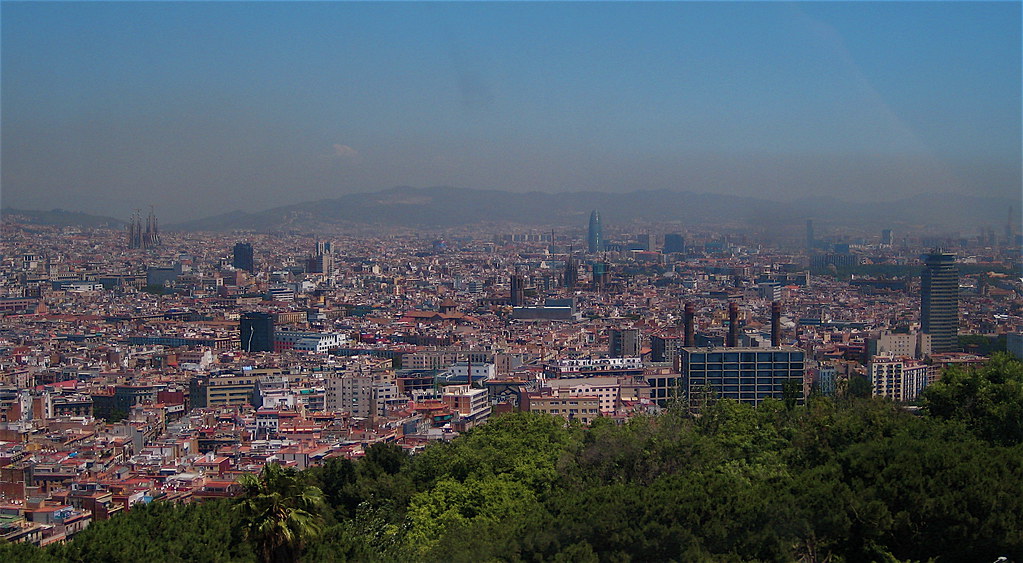
Barcelona has a mix that is hard to find anywhere else: a Mediterranean city with a beach, architecture from another planet and an old quarter that smells of history on every corner. It goes a little further than the «two days of partying» trip: with time and a roughly organised plan, the Sagrada Família, the Gothic Quarter, modernisme and an afternoon in a neighbourhood all fit in without stress. This is my travel guide to Barcelona, point by point, with everything I wish I’d known before going.
1. Money and the crowds in the tourist centre
Barcelona uses the euro and you can pay comfortably by card, although it’s not the cheapest city in Europe and in the tourist centre (the Rambla, La Boqueria, around the cathedral) prices get inflated without warning: coffee, sangria and «tourist-trap» tapas are pricey. My rule: eating and having a drink a couple of streets away from the postcard zone always turns out better.
Tipping is not compulsory: in Spain you round up or leave 5-10% if the service was good, and leaving nothing is fine too. And a practical heads-up: foreign cards almost always work well, but in some small bar or market stall the card reader can fail, so a bit of cash for the market and street buys always comes in handy.
2. Language: Catalan and Spanish, each in its own place
In Barcelona, Catalan and Spanish are both official, and on the street people will answer you in the language you speak to them. A couple of words in Catalan go down well in the markets and neighbourhood shops: „Gràcies“ (thank you), „Bon dia“ (good morning) and „Sisplau“ (please).
In tourist spots, museums and apps, English is guaranteed, and staff usually switch between Catalan, Spanish and English quite naturally. There’s no problem starting in Spanish: it’s the city’s language too.
3. From the airport to the centre in 25 minutes
El Prat airport (BCN) is about 14 km away and there are three comfortable ways to reach the centre: the R2 Nord train (around €4.60, 25-30 minutes to Passeig de Gràcia or Sants), the Aerobús A1/A2 (around €7, to Plaça de Catalunya in 35 minutes) and the taxi or Uber (between €30 and €40 depending on the zone).
The train is the best value for money and the fastest option for the centre; the Aerobús is convenient if your hotel is 10 minutes from Plaça de Catalunya. And a tip: if you arrive by metro (L9 Sud line), check the final stretch, because it connects with the whole central network without problems and the airport ticket is valid for the whole day.
4. Getting around: metro, walking and a touch of cable car
The Barcelona metro (TMB) is fast, clean and gets you everywhere: ten lines crossing the centre and the tourist neighbourhoods. A single ticket costs around €2.50, but the T-casual card (10 rides) at around €11 works out at under €1.20 per trip and can be shared by several people. Almost everything you are going to see is also within walking distance: the city is compact and the Gothic Quarter, the Born and the centre are all walkable without a problem.
For the Montjuïc neighbourhood there is the funicular and the cable car, which give you the best views and the climb without breaking a sweat; and if the day calls for more open air, the tourist bus (hop on/off) is only worth it if you are short on time and want to see it all in one go, because the price hurts.
- The T-casual 10-ride card is the best option for a weekend; the T-usual (monthly) only if you are staying many days.
- The centre, the Gothic Quarter, the Born and the port are done on foot; the metro covers the rest.
- Bicing is for residents: as a tourist, better on foot, by metro or with the Golondrinas boats at the port.
5. The Sagrada Família: book, or you don’t get in
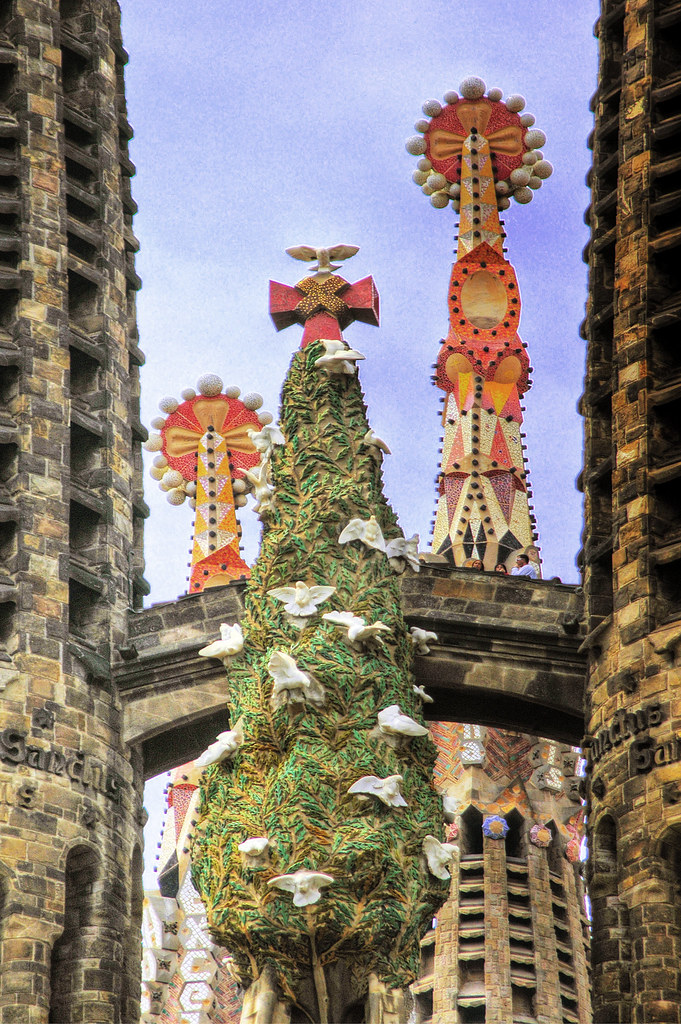
The Sagrada Família is the most visited monument in Spain and Gaudí’s unfinished work that keeps being built: you have to buy the ticket online with a day and time, because without a booking you don’t get in. The Nativity and Passion facades, the forest of columns inside and the light through the stained-glass windows are worth the price on their own.
The climb to the towers (by lift) gives spectacular side views of the city, but only if the day is clear: if it is windy or rainy it closes without warning. To see it at a more relaxed pace, go first thing in the morning or late in the afternoon, when the queues and the midday sun give you more of a break. And at night, from the park on the left, the illuminated facade is another thing entirely.
6. The Gothic Quarter and the Cathedral: old Barcelona
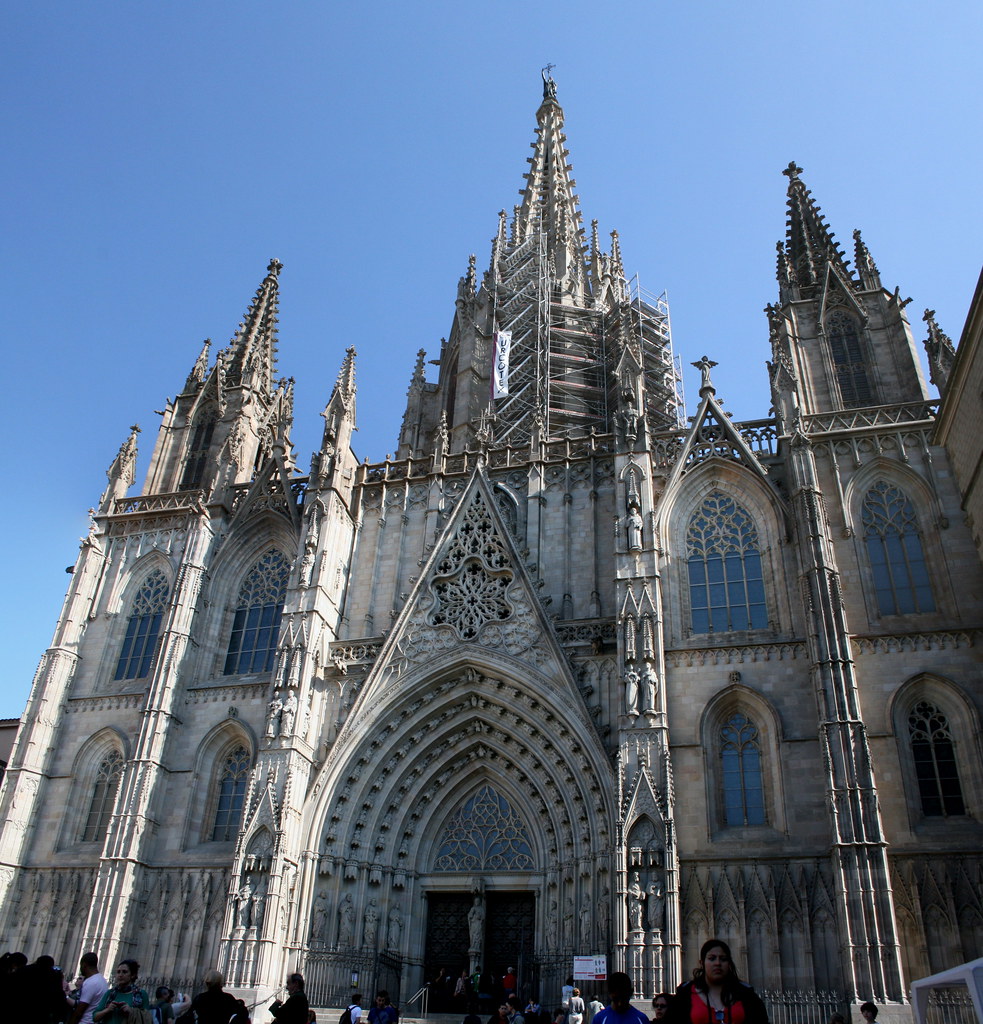
Right by the port and the Rambla is the Gothic Quarter, the medieval old town with streets that barely breathe in summer and squares you discover by surprise: the Barcelona Cathedral, with its cloister of geese and its visitable rooftop, the Plaça del Rei, the Royal Palace and the Bishop’s Bridge.
Don’t miss the walk late in the afternoon from Plaça de Sant Jaume (town hall and the Generalitat) towards the Born, crossing the Boqueria Market on the Rambla for a snack. And a note: the famous «ramblas» heading to the port are for looking at, not for shopping; the most authentic streets are two streets on either side.
7. Park Güell: a mosaic fairytale with opening hours
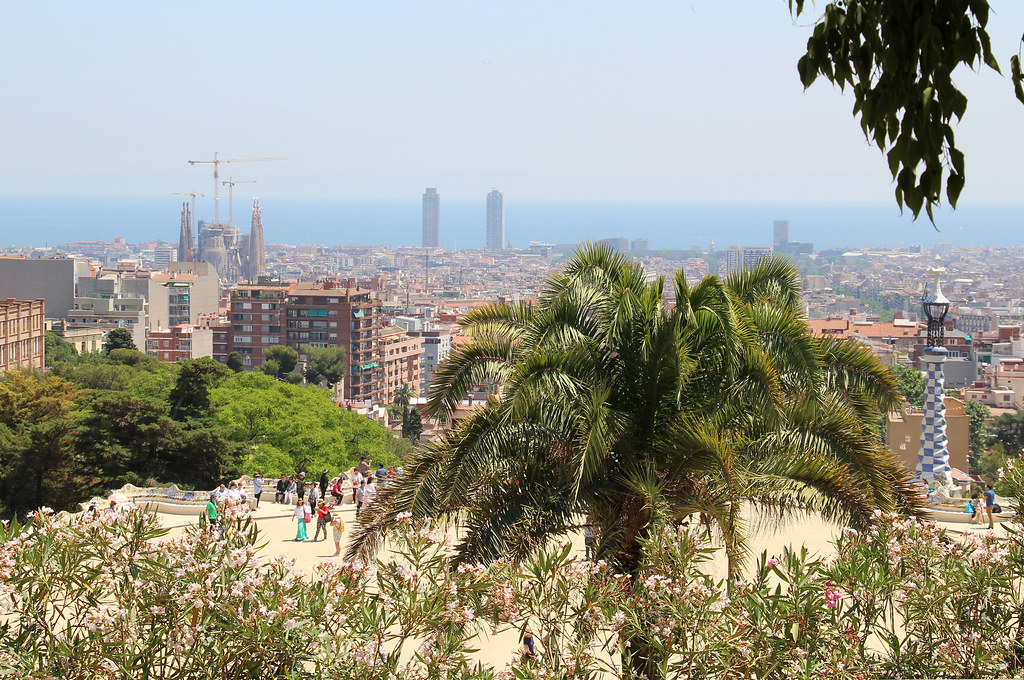
The Park Güell is Gaudí’s garden on the hills north of Barcelona: a public park —part of it free— with the famous terrace of the winding mosaic bench, the salamander and views over the city you will remember. The «monumental» zone (the terrace and the buildings) requires a timed ticket: buy it online at least a day in advance.
To get there, take the bus 24 or the metro (Lesseps stop) and walk the last stretch, because the climb is rewarded with views. And on the way down, the Gràcia neighbourhood, south of the park, is one of the best corners for a vermouth or a break with locals: tree-lined squares, cafés and design shops.
8. Casa Batlló and the modernisme of Passeig de Gràcia
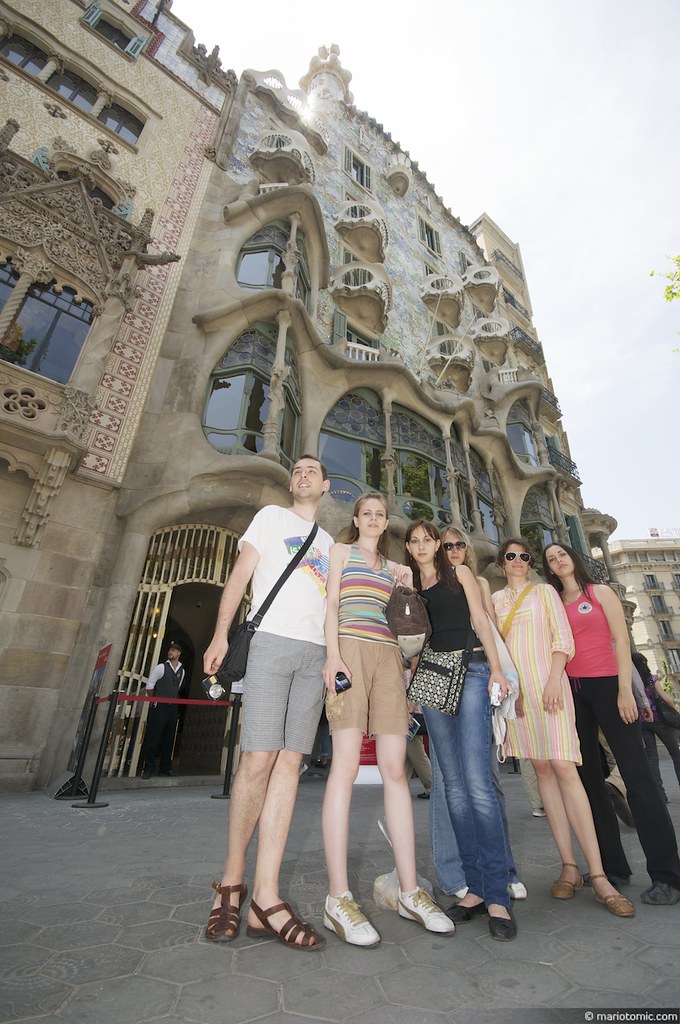
Barcelona is the capital of modernisme and the Passeig de Gràcia is its shop window: the Casa Batlló, with that glass-and-bone facade that looks like it has been lifted from a stage set, and the Casa Milà (La Pedrera), two steps away, with its rooftop of guardian-shaped chimneys. Entry to each is around €30 and it is worth booking the time slot online.
If you can only see one, choose the Casa Batlló: the interior surprises as much as the facade, and the visit with the augmented-reality audioguide is one of the best in the city. And while you are there, the Block of Discord (Illa de la Discòrdia) —with three modernist buildings by different architects— gives you the best lesson in urban architecture for free.
9. Montjuïc and Barceloneta: the lungs and the beach
Above the port rises Montjuïc, the green mountain with the castle, the gardens, the Olympic stadium and views over the whole city: go up on the cable car (or the funicular from Paral·lel) and come down walking through the gardens. It is the panorama everyone talks about, and rightly so: the sea, the city and the mountain in a single photo.
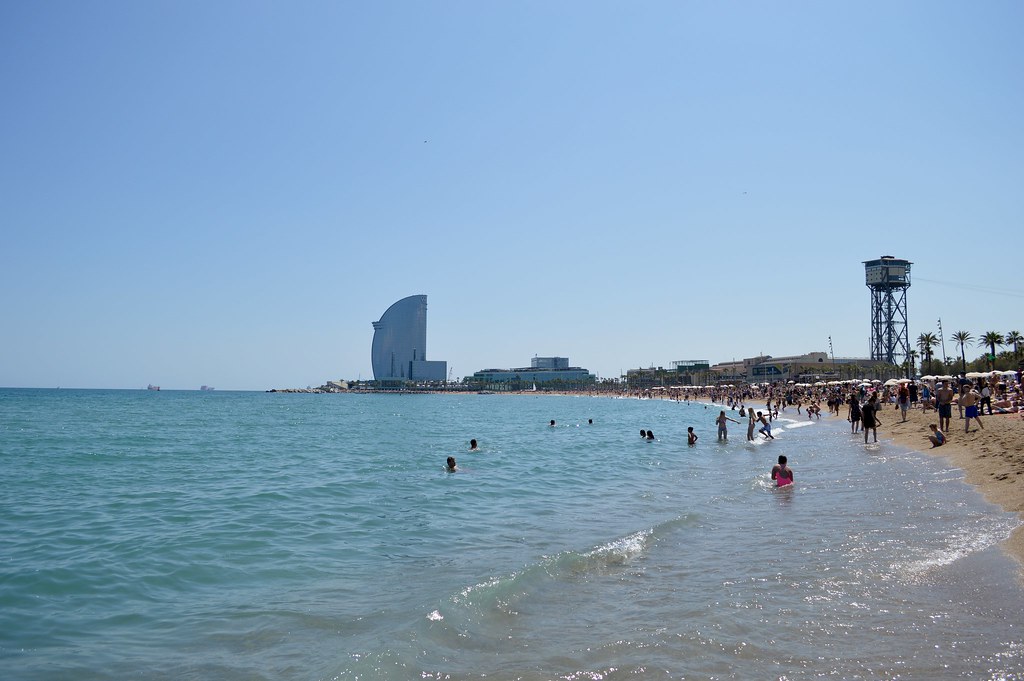
At the foot of the mountain lie the port and Barceloneta beach, the city’s beach: a walk from the centre, with a seafront promenade, beach bars and, in summer, life until late. A good farewell plan: come down from Montjuïc at sunset, a stroll through the Maremagnum and a seafood dinner in Barceloneta, always a couple of streets inland so you don’t pay more.
10. Eating: tapas, bread with tomato and a touch of neighbourhood
Barcelona’s food is tapas, lots of seafood and impressive produce. The short list: pa amb tomàquet (bread with tomato), tortilla de patatas, Iberian ham, calamares a la romana and, for the brave, fideuá (the sibling of rice but made with noodles) which is divine here.
The markets are the plan: La Boqueria for the show, Santa Caterina for the real produce, and the neighbourhood markets of Gràcia or the Born for the local plan. And a custom worth copying: the Sunday vermouth, with olives and crisps, a Mediterranean ritual best enjoyed unhurriedly on any square terrace.
And that’s my travel guide to Barcelona for now. With the online booking for the Sagrada Família and Park Güell, a late-evening walk through the Gothic Quarter, the modernisme of the Passeig de Gràcia and a descent from Montjuïc with the beach at the end, you take away the real city. The rest —the vermouth, the terrace that calls to you, the neighbourhood you discover— is what Barcelona adds when you’re there. Have a great trip!