
Amsterdam Travel Guide: 10 Unmissable Things to See and Do
Amsterdam travel guide with everything I wish I'd known before going: how to get there from Schiphol, how to get around, the canals, the Rijksmuseum, the Anne Frank House and the Vondelpark.
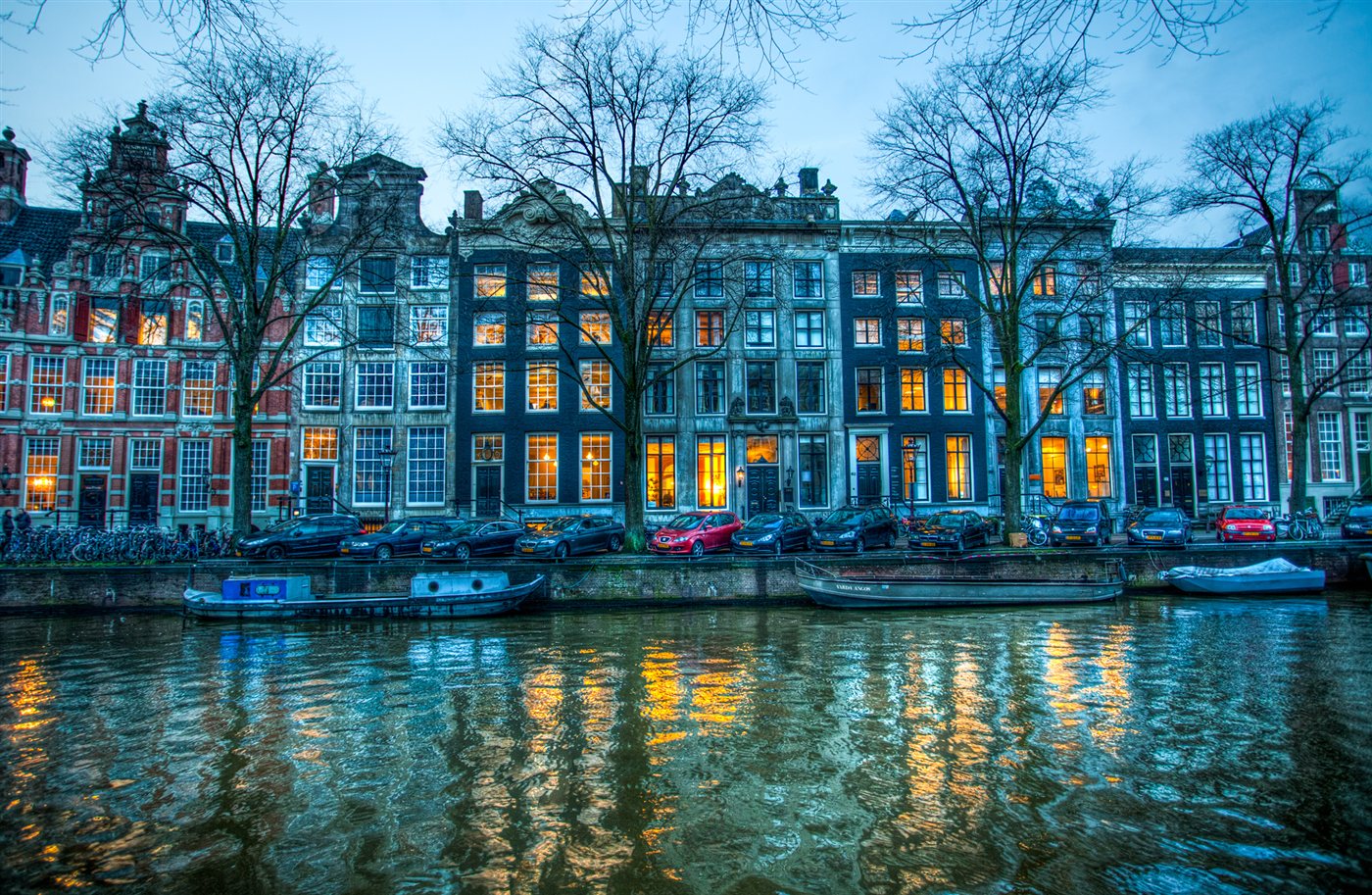
Amsterdam has that magic of cities you can’t explain in a photo: the canals, the bikes, the bridges and that golden light of spring afternoons. A week there might not be enough, but with three or four well-spent days you see the essentials and still have time to feel how people really live. This is what I wish I had been clear about before going: how to get there, how to get around, which museum to book ahead and, above all, which corner is the good one. This is my travel guide to Amsterdam, point by point.
1. First things first: the euro and cards, with a couple of caveats
Good news: Amsterdam runs on euros, everything is card-friendly and cash is almost redundant. In supermarkets, pharmacies and even the smallest cafés, contactless cards work everywhere. In fact, some places only take card (Albert Heijn supermarkets do accept cash, but many small shops don’t).
The one snag you might hit: some foreign cards don’t work with a PIN at Dutch ATMs, and certain payment terminals ask for a PIN instead of a signature. If your bank gives you a PIN card without any trouble, fine; if not, carry a bit of cash as a backup. And watch the fees: a no-fee card for abroad saves you a few euros that are better spent on poffertjes.
- Contactless is near-universal; carry some cash just in case.
- Skip the exchange booths in the centre: the rates are bad. Use bank ATMs or pay by card.
- In smaller shops and checkers, watch for cash rounding surcharges (increasingly common).
2. Language: English gets you absolutely everywhere
You don’t need Dutch: almost everyone speaks flawless English, and transport, museums and restaurants will look after you without issue. Menus come with an English version and the official transport apps are in English.
Still, three words open smiles: „dank je wel“ (thank you), „alstublieft“ (please / you’re welcome) and „hallo/hoi“ (hello). And a tip you’ll see everywhere: Amsterdam is pronounced with an open first «a», not closed as in «dam».
3. From the airport to the centre in 20 minutes
Schiphol Airport is 17 km from the centre and its connection is one of the best in Europe: a direct NS train that drops you at Central Station in 15-20 minutes. Tickets come from the machines at the entrance or by tapping your contactless card at the gates, and cost around €5.60 per trip.
Alternatives: the bus 397 (Amsterdam Airport Express) for the south side and Museumplein, or a taxi/Uber when you’re travelling with a big backpack, around €45-60 depending on the time and traffic. Extra tip: get your OVpay card (or just tap your phone with NFC) as soon as you arrive, because it’s the same one you’ll use across the whole city network.
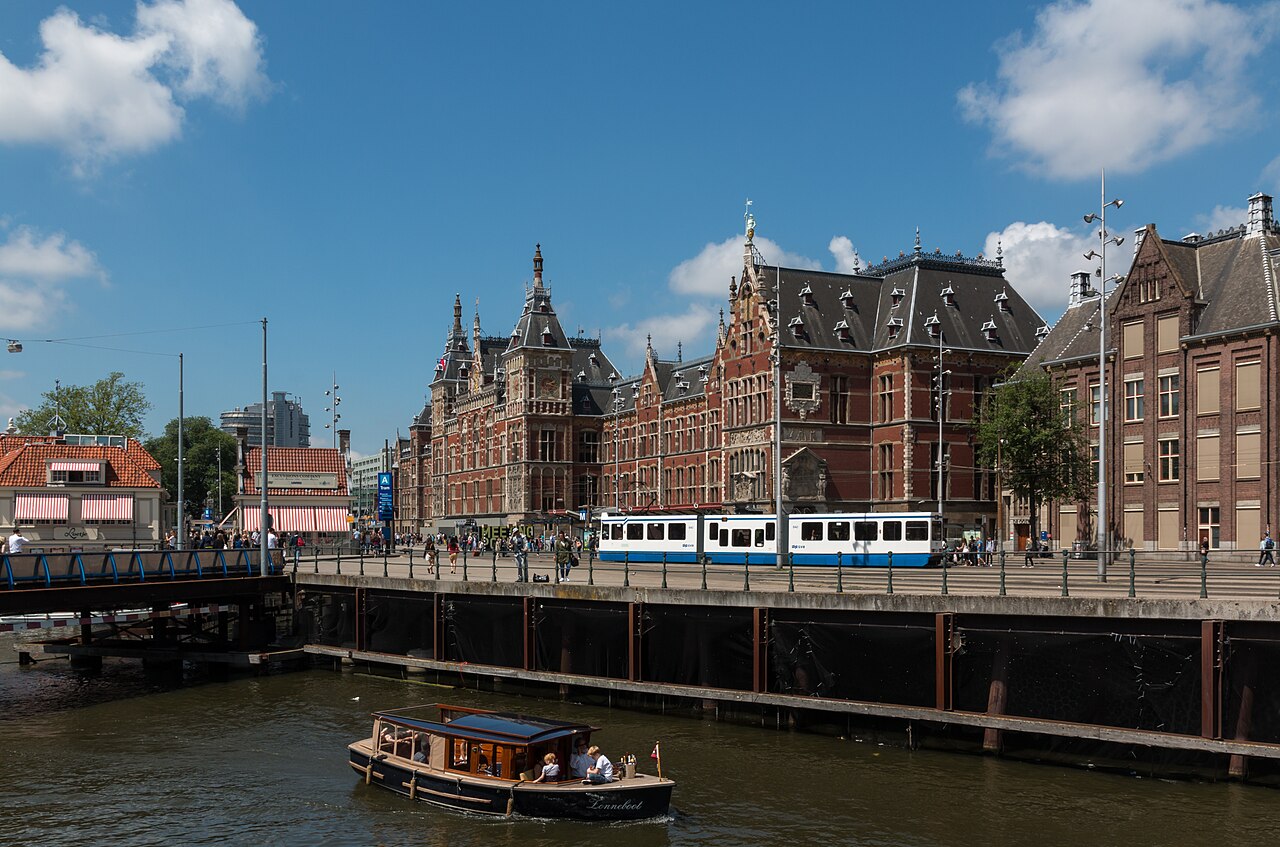
4. Getting around: bikes, trams and the free ferry
Amsterdam is the city of bikes: there are more bicycles than people, and the bike is the everyday mode of transport. As a tourist you can rent one (shops are everywhere along the canals), but for a first visit the most practical combo is walking + tram + metro + the free ferries behind Central Station.
All public transport runs on the same card or an NFC phone (OVpay system): you tap in when you board the tram or metro and tap out when you leave; the fare is worked out per kilometre. For a few days, a 24-hour (€8.50) or 48-hour pass pays off if you’re making several trips.
- The canal ring, Jordaan and Museumplein are walkable: it’s the best way to look up.
- The tram is fast and punctual; night buses cover the rest.
- The free ferry behind Centraal crosses the IJ to the north: gorgeous at sunset, and it’s free.
5. The canal ring, the heart of the 17th century
The 17th-century canal ring —Herengracht, Keizersgracht and Prinsengracht— is a UNESCO World Heritage site and the perfect picture of Amsterdam in one frame. Walking it at dusk, when the windows light up, is one of the loveliest things you can do, and seeing it from a boat (the canal cruise) gives you another angle and a rest on your first afternoon.
Inside the ring you also have the neighbourhoods that really feel lived-in: the Jordaan with its courtyards and markets, the Nine Little Streets (De Negen Straatjes) full of design shops and cafés, and the markets around Noordermarkt. A local tip: get on to a bridge near Westerkerk and stop for one quiet minute watching it all combine —bikes, boats and light. It’s the postcard nobody tells you about.
6. Rijksmuseum and Museumplein: the painting essentials
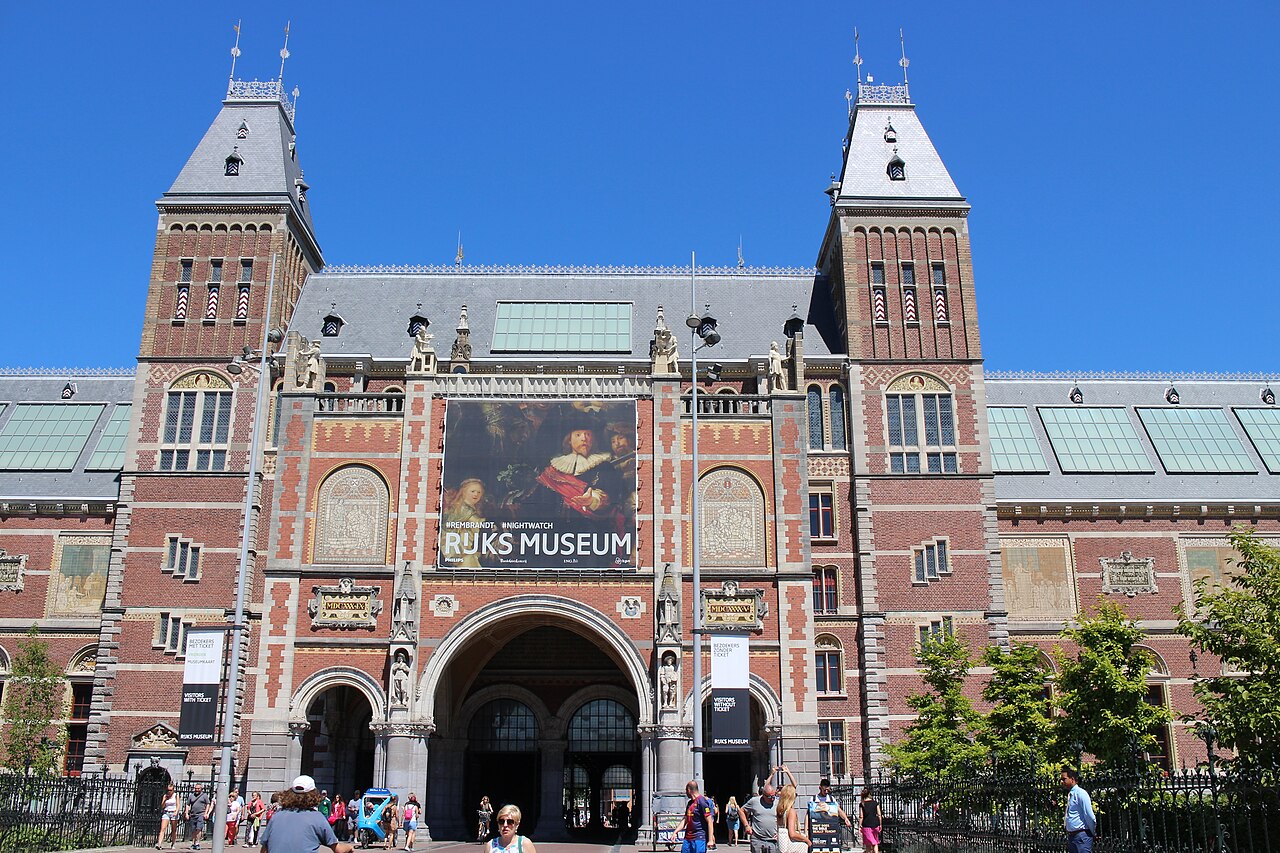
On the same axis as the country’s most famous museum, art is everywhere. The Rijksmuseum holds Rembrandt’s The Night Watch, the finest collection of Dutch masters and a wing on the Golden Age; entry costs €22.50 and it’s worth booking online for a specific day and time, because the walk-up queues stretch around the block.
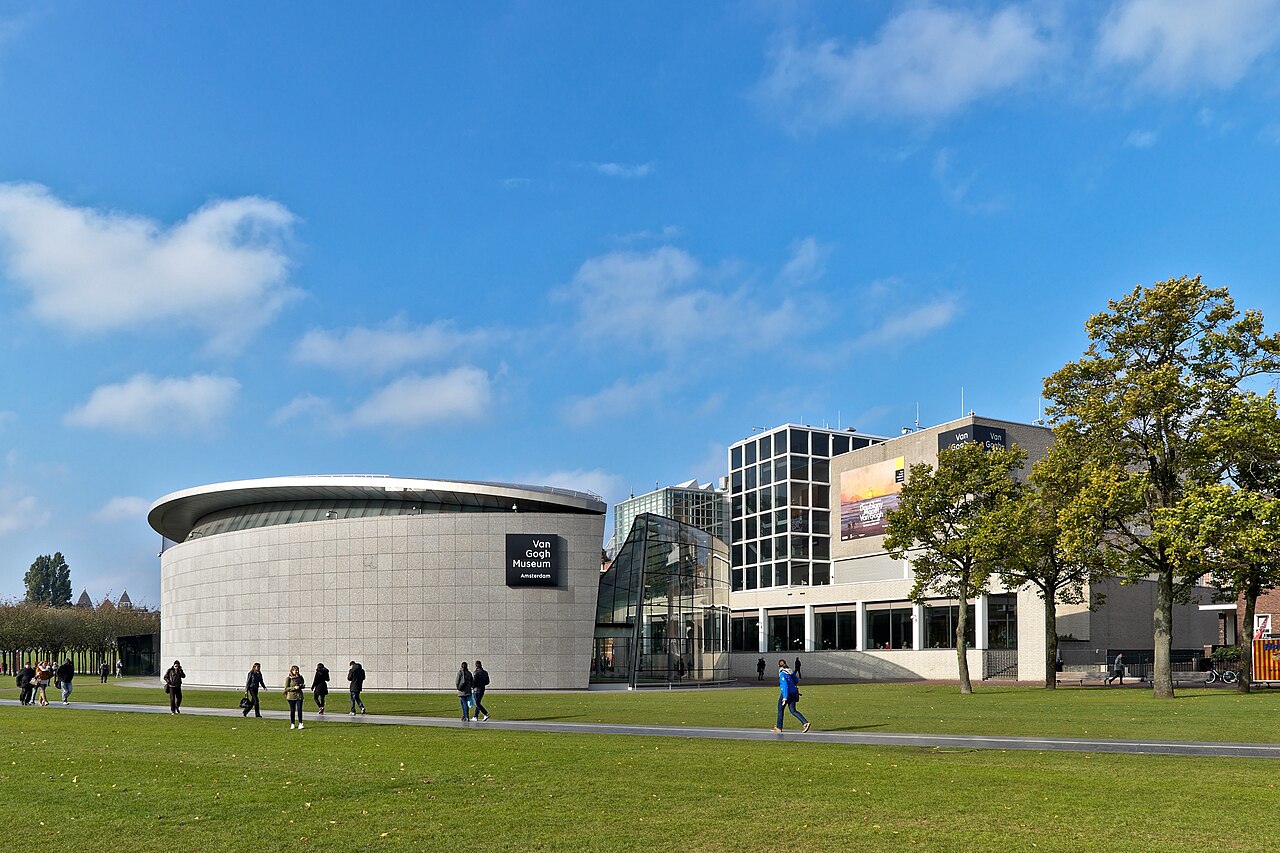
Right next door is the Van Gogh Museum, with the world’s largest collection of the painter —sunflowers, the bedroom in Arles and self-portraits— plus a gallery on how he influenced other artists. If time doesn’t stretch to both, do one properly and leave the other for another visit: doing them back-to-back tires you out more than it looks.
7. The Anne Frank House: book, book, book
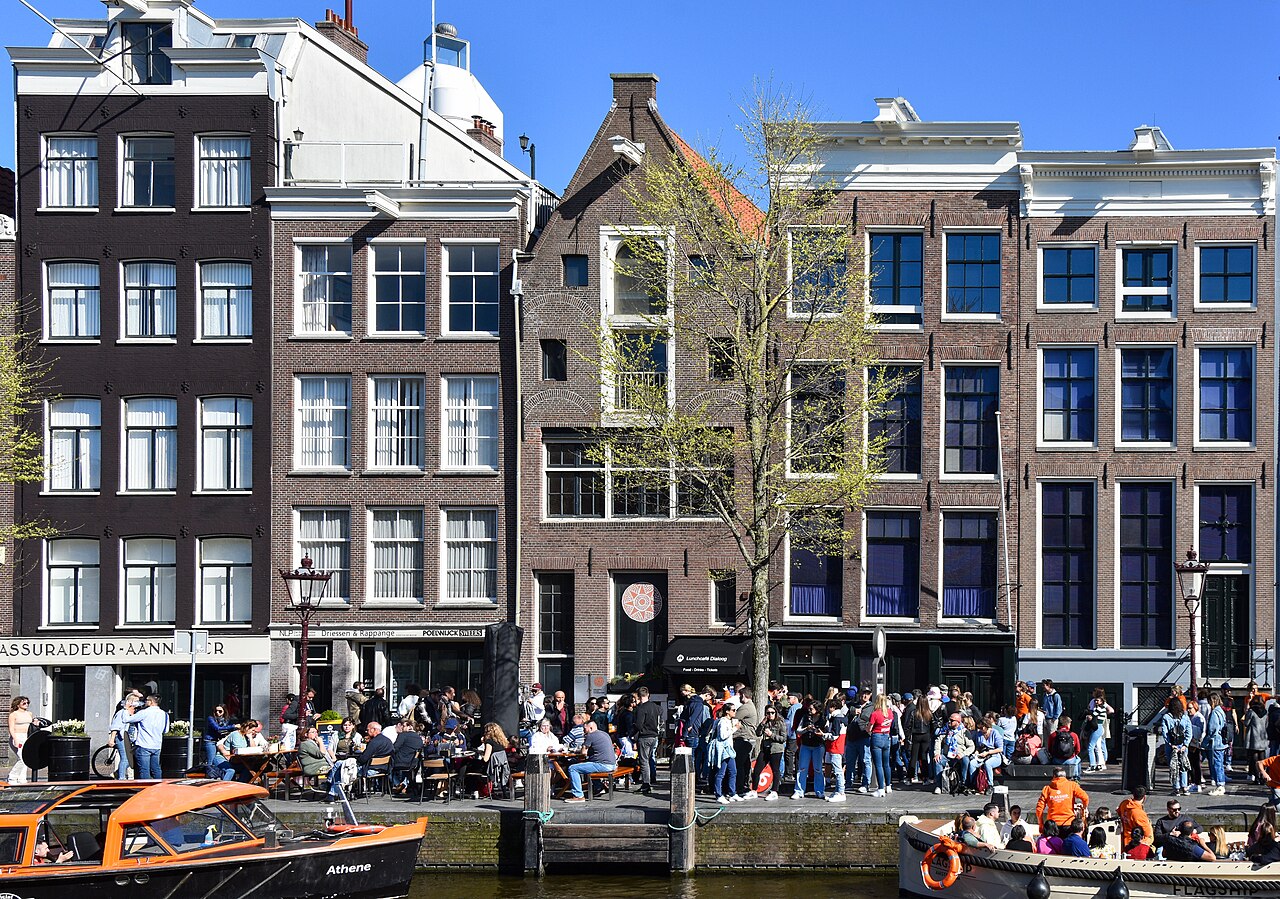
The Anne Frank House (Prinsengracht 263) is one of the most emotionally powerful museums in Europe: the real hiding place where Anne wrote her diary. It’s an impressive and very worthwhile visit, but there are two rules: tickets only go on sale online with a time slot, months in advance, and without a booking there’s no room. If you can’t get a slot, no problem: the Jordaan itself, where she lived, is worth it, and the museum always frees up a few slots in the week of your trip.
To understand the context of the persecution in the Netherlands, the National Holocaust Museum, near the house, and the names monument at Weesperplein fill in the history. And a practical note: large bags aren’t allowed and the annexe stairs are narrow and steep, so leave your backpack at the hotel.
8. Vondelpark: the city’s green living room
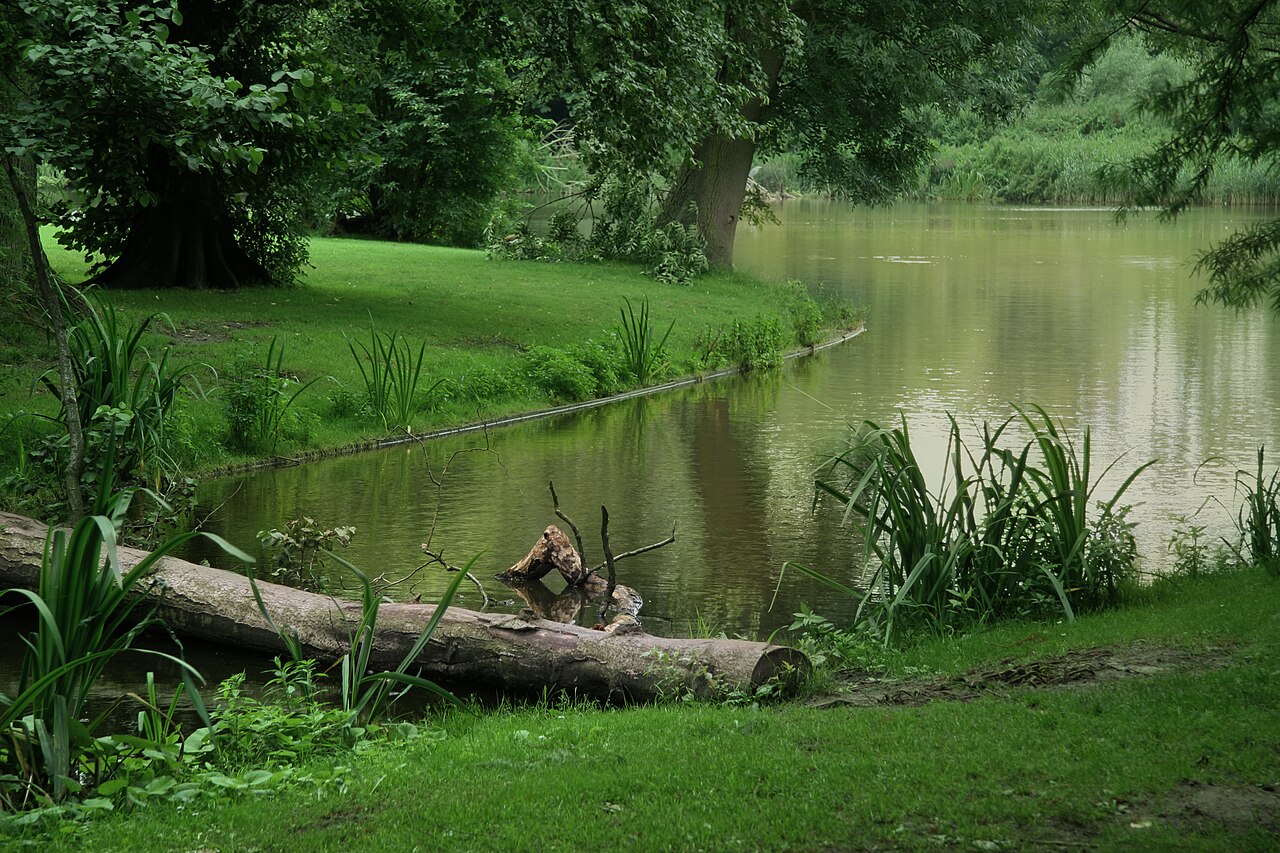
The Vondelpark is where Amsterdam sits down to catch the sun: families, couples, readers and thousands of bikes parked on any bit of grass. It lies west of Museumplein, between the museums and Oud-Zuid, and it’s perfect for a mid-afternoon break or an impromptu brunch at one of its two terrace pavilions.
The park also has a pond with its wooden bridge, big picnic lawns and, in summer, open-air concerts. Crossing it from end to end (a relaxed 20 minutes) takes you from the museum district almost to the centre, and along the way you dodge the tourist crush.
9. Dam Square and the old centre: more than the Red Light District
The zero point is Dam Square: the Royal Palace, the Nieuwe Kerk, the columns of the National Monument and a constant tide of people. From there the streets of the old centre fan out, where the Red Light District, the flower market (the Bloemenmarkt, the tulip market on the canals) and the shopping streets all coexist.
Nightlife and coffeeshops are something you navigate on your own judgement, but as a tourist plan I recommend the evening light: climb the Nieuwe Kerk tower or a canal-side rooftop to see the canal ring below, then walk the lit bridges at night once the daytime tide has gone. The city’s history is here too: the 17th-century Amsterdam was built around this square.
10. Eating like a local: from herring to stroopwafel
Amsterdam food isn’t haute cuisine; it’s street food and small-stall food with a lot of charm. The short list: haring with onion and pickles, bitterballen (crispy ragù balls), poffertjes (mini sweet pancakes), patat (fries) with pindasaus peanut sauce, and a stroopwafel made to order at the market stall.
The spot to try it all in one go is the Albert Cuyp Market in De Pijp. If you have a spare day in spring, the Keukenhof, 40 minutes by bus, is the most famous tulip garden in the world: a morning trip you’ll remember for life. In any other season, the windmills of Zaanse Schans give you the classic Dutch postcard a quarter of an hour away.
And that’s my travel guide to Amsterdam for now. With the transport sorted, the Anne Frank House booked ahead, a bike ride along the canals and an afternoon in the Vondelpark, you’ve got the city in your pocket. The rest is decided by Amsterdam itself: the bridge you happen to cross, the light of the late afternoon and the herring you dare to try. Have a great trip!